Radical Pairings

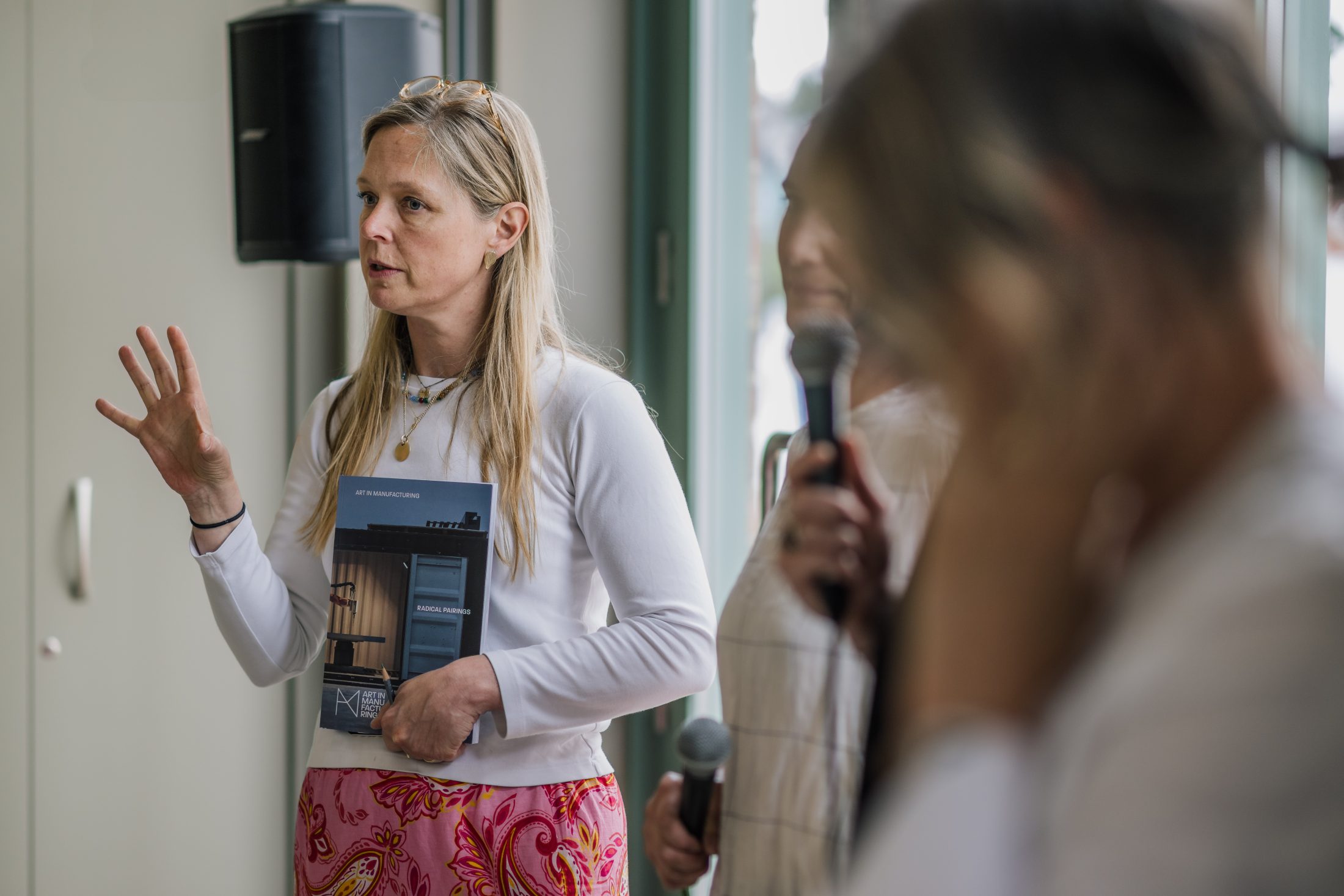
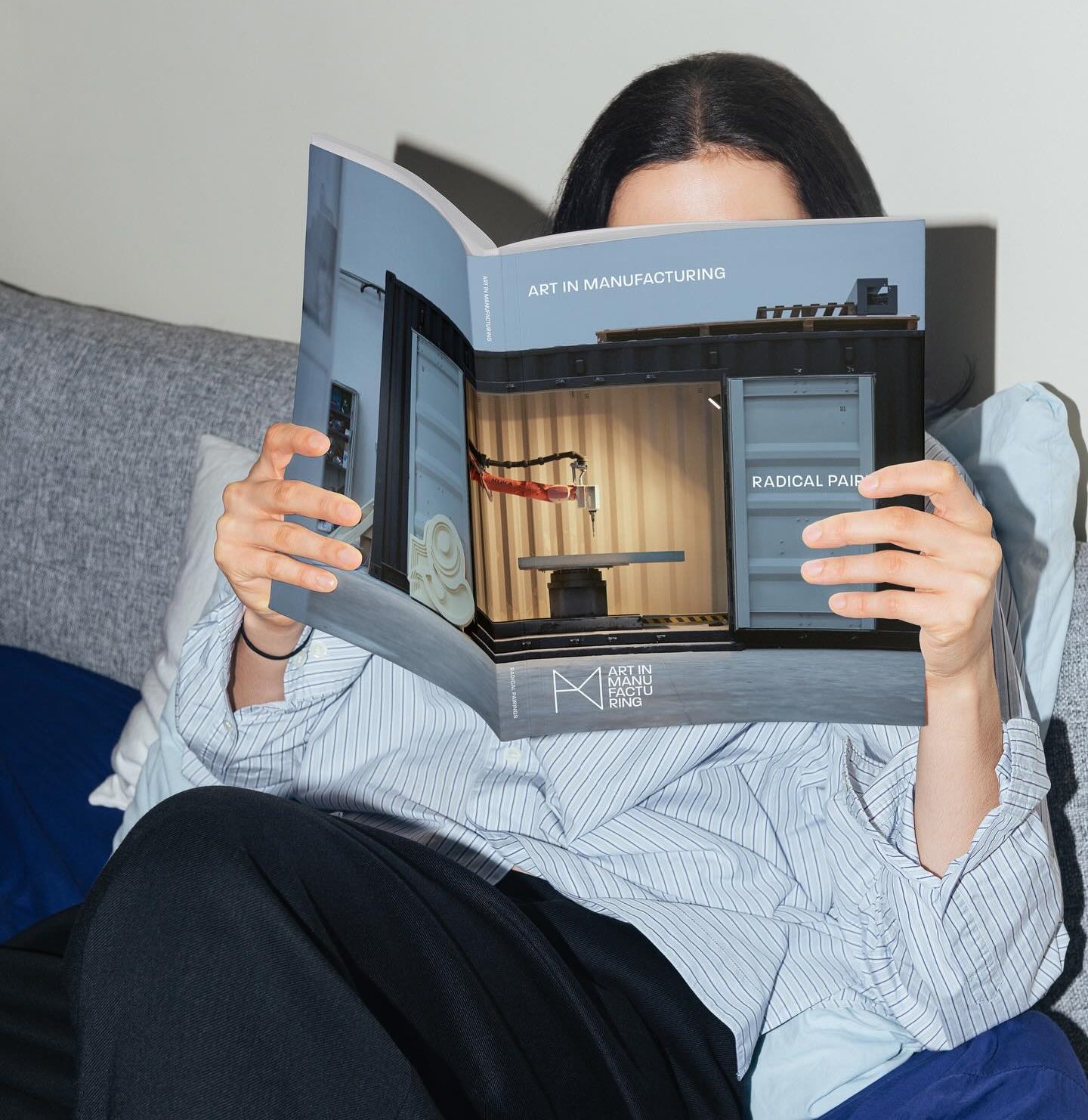
An Art in Manufacturing publication, Radical Pairings documents five women artists who exhibited new work in 2022.

Created during Art in Manufacturing residencies with manufacturers in the North, the publication features Hannah Leighton-Boyce + Darwen Terracotta, Liz Wilson + CNC Robotics, Nicola Ellis + Ritherdon, Jacqueline Donachie + Lancashire Saw Company, and Raisa Kabir with Queen Street Mill and John Spencer Textiles.

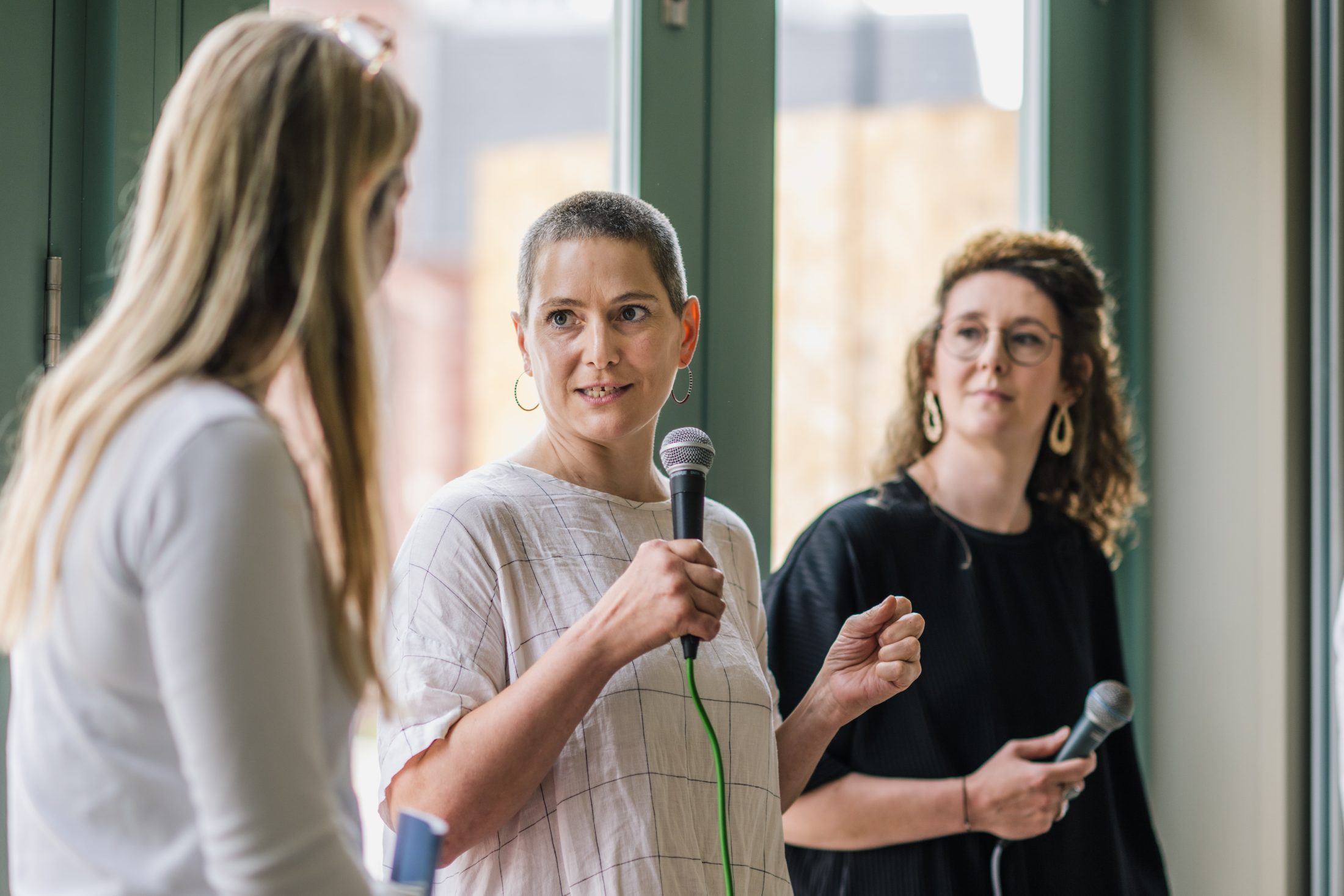
Art critic and writer Elizabeth Fullerton was invited to explore these artists’ residencies, resulting in the essay Artists and Factories Make Radical Pairings which forms the central piece of writing in this publication. Discussing their practices and the unique nature of working as an artist within the industrial setting, Fullerton introduces work created in response to and alongside workforce communities. 

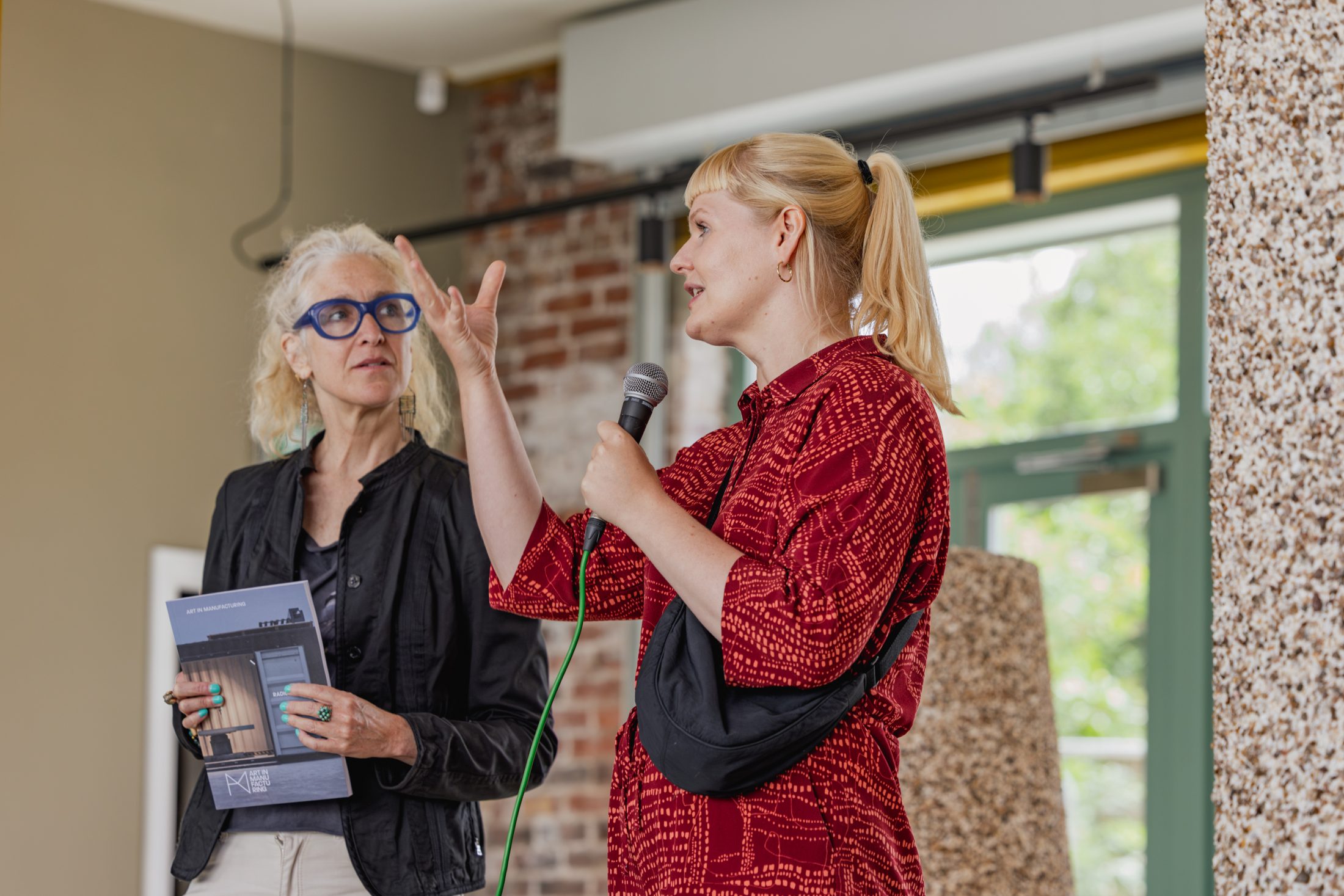
The Radical Pairings publication was created and edited as a partnership between the National Festival of Making and theCOLAB, a collaborative laboratory connecting people, land and art.
Elizabeth Fullerton is a critic, writer, podcaster and researcher at Birkbeck College, University of London. She writes for international publications including The New York Times, The Guardian, At Monthly, Art in America, ARTnews and Art Quarterly and is the author of Artrage! The Story of the BritArt Revolution (Thames & Hudson (2016, 2021). She is fascinated by how artists use materials and technologies to respond to their lived experience, exploring issues of identity, body politics, labour and environment through social engagement.
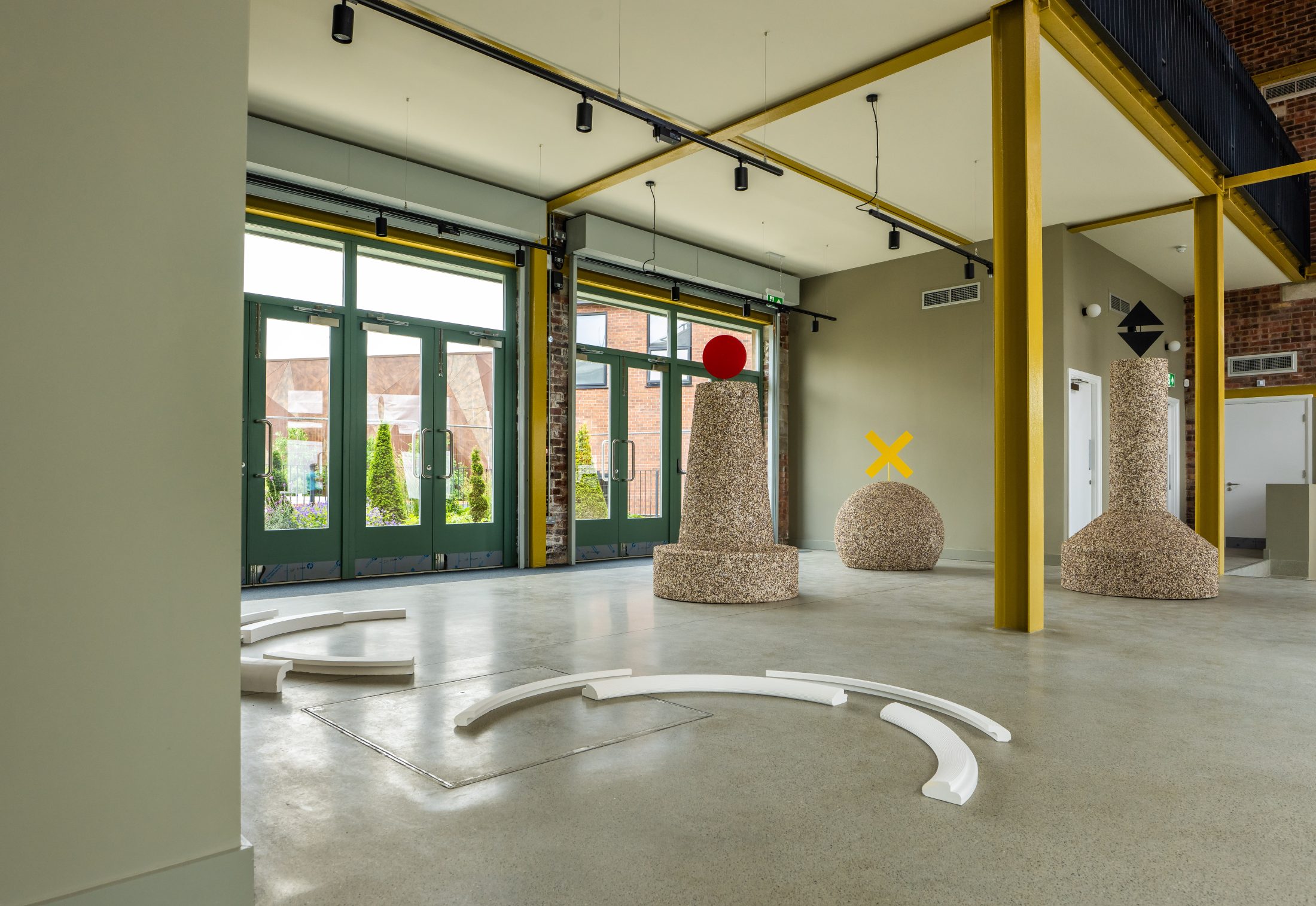
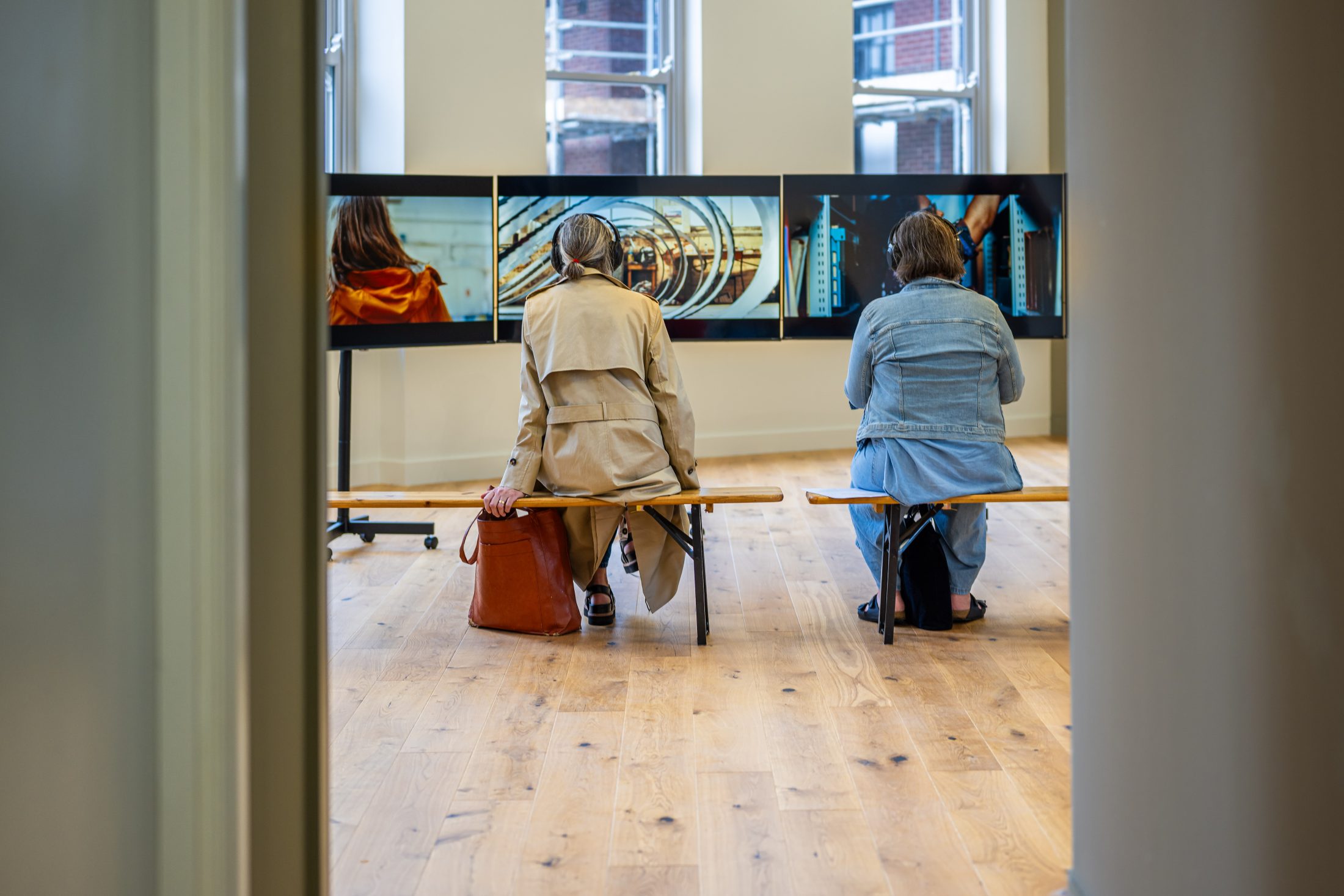
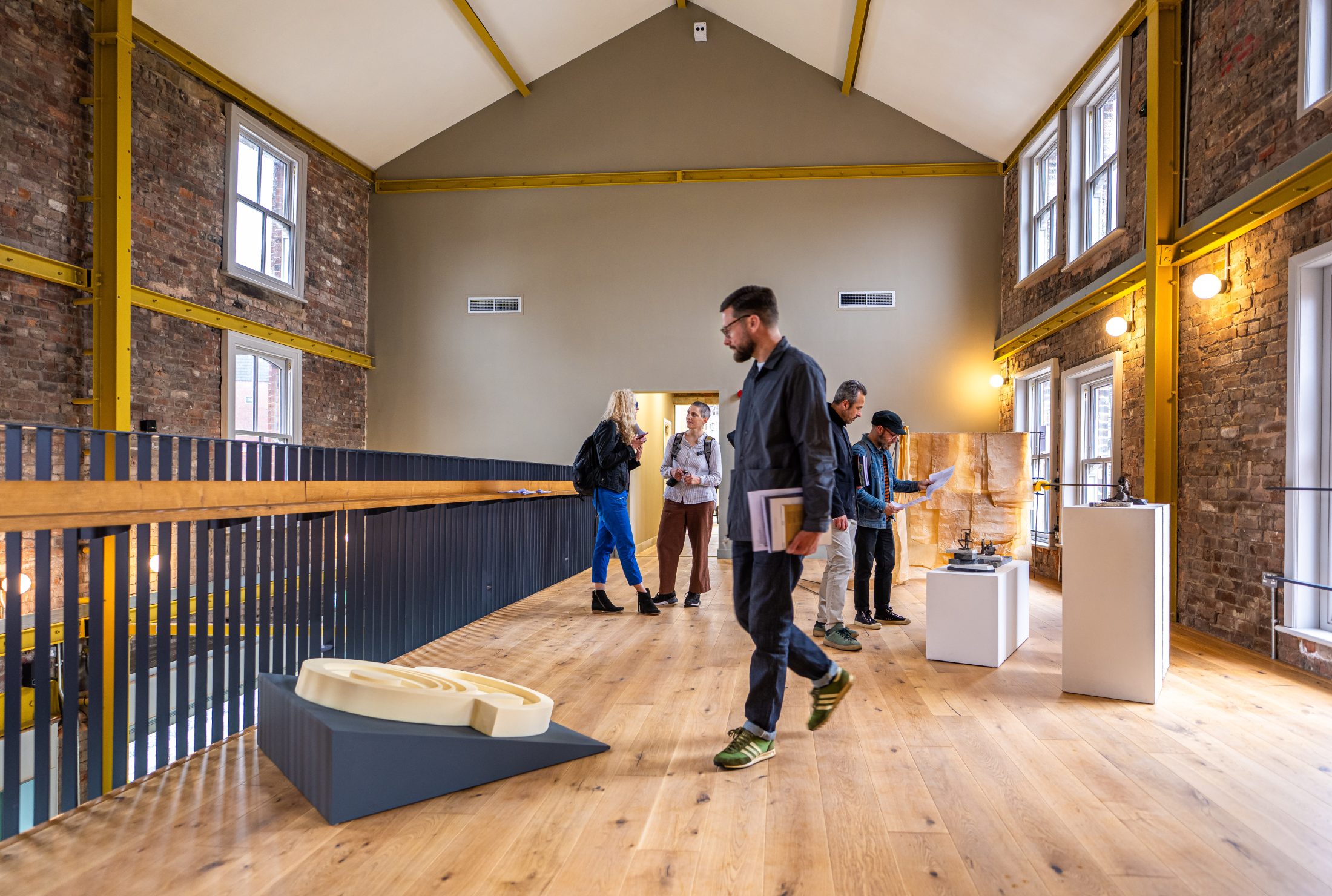
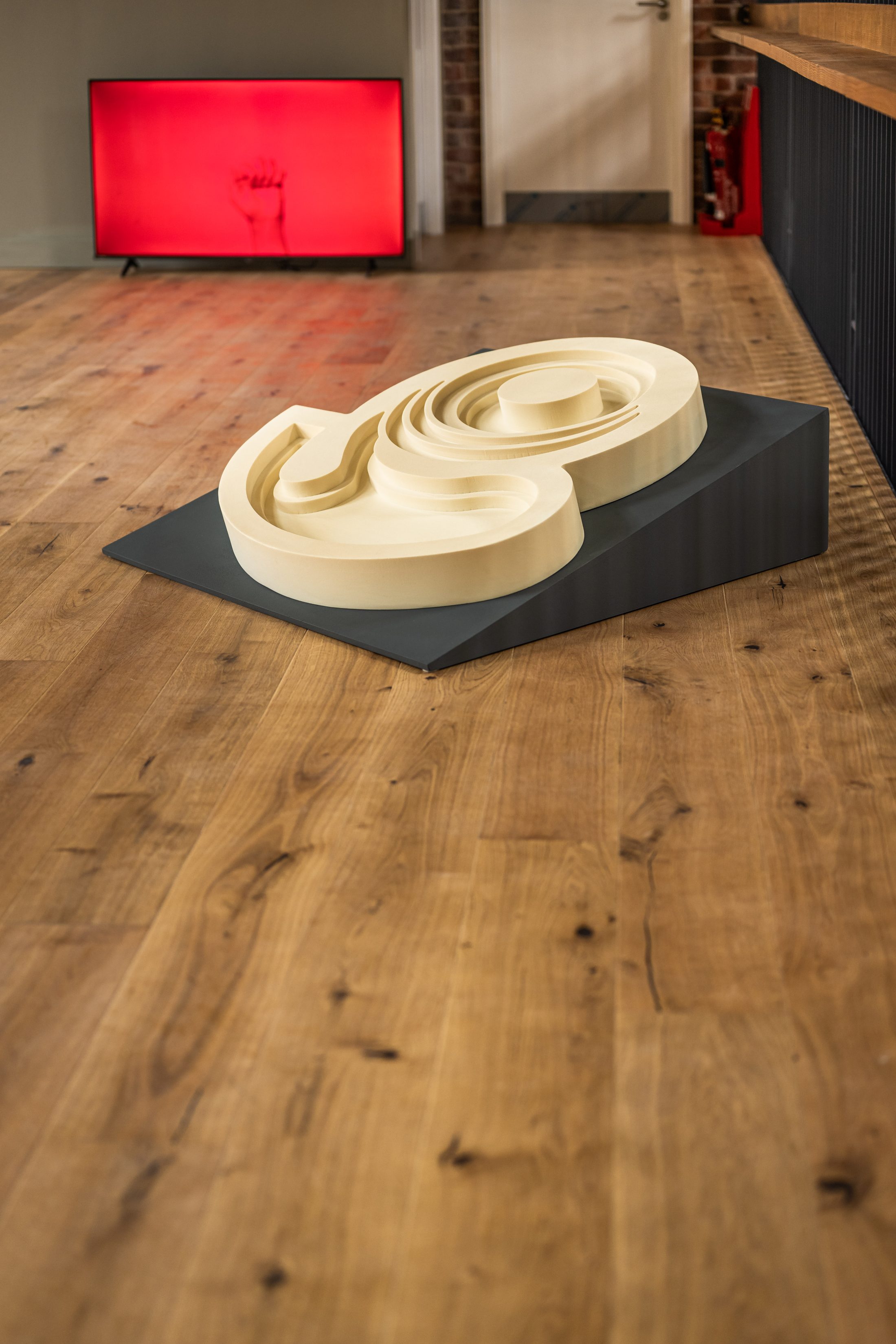
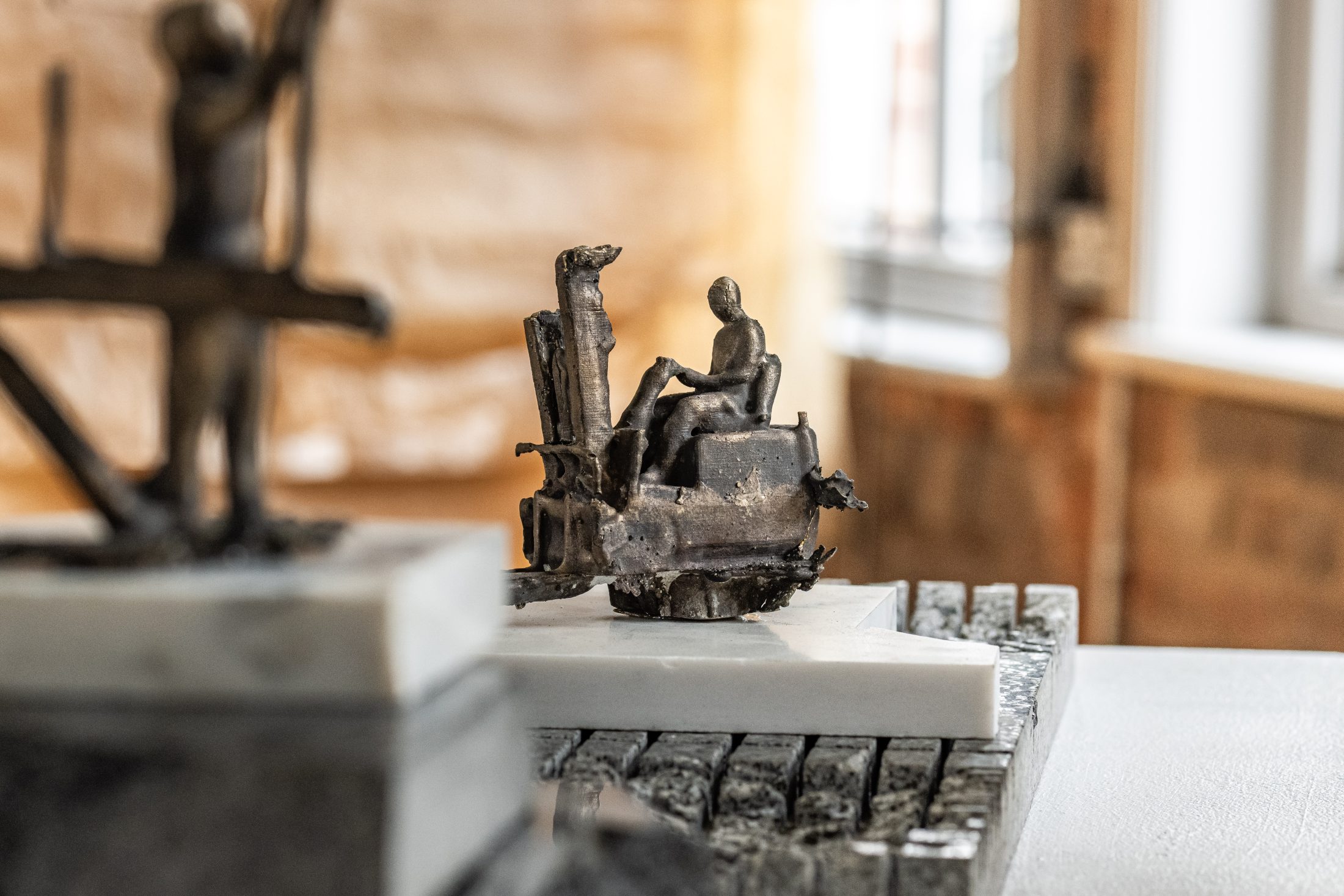
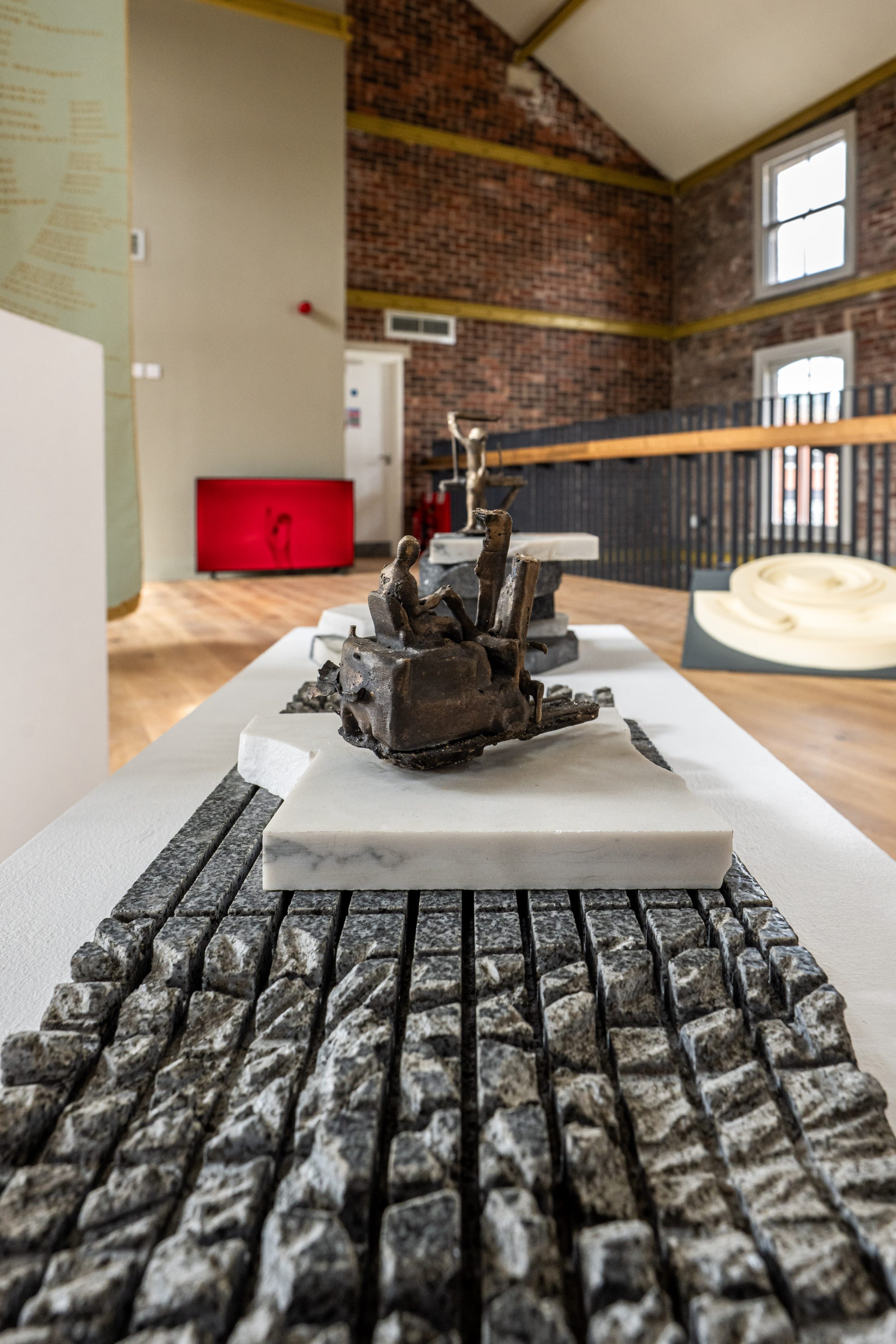
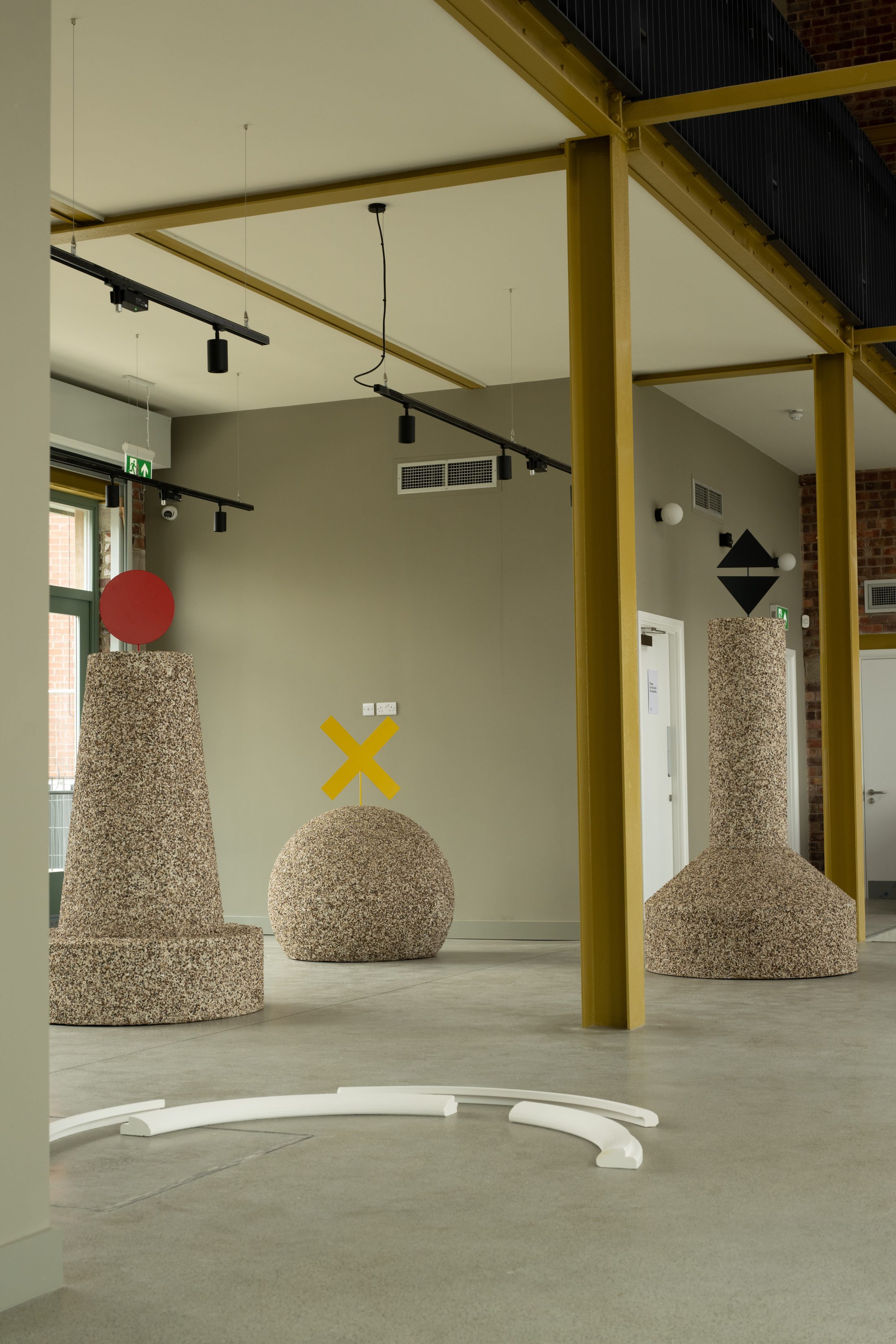
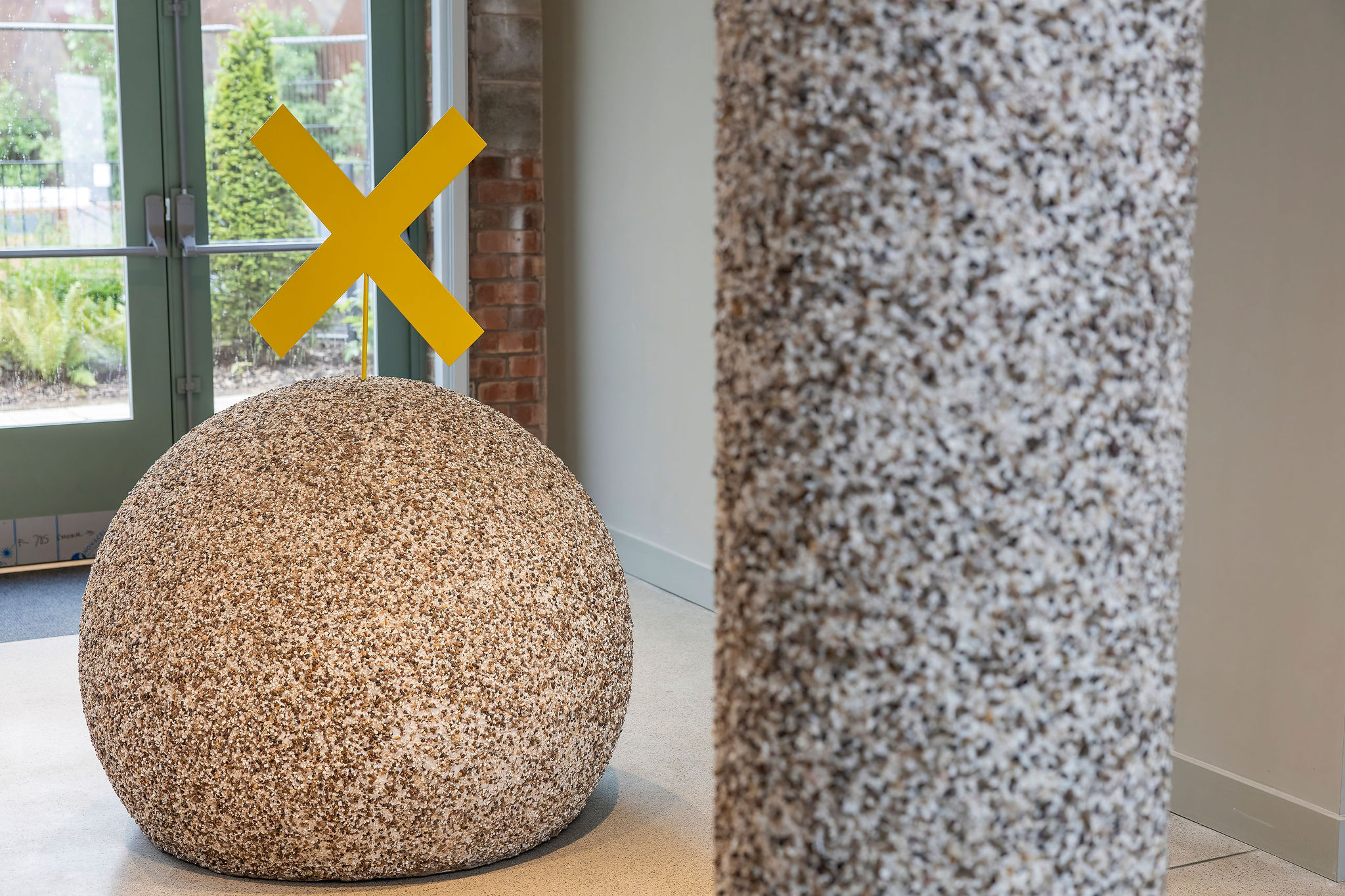
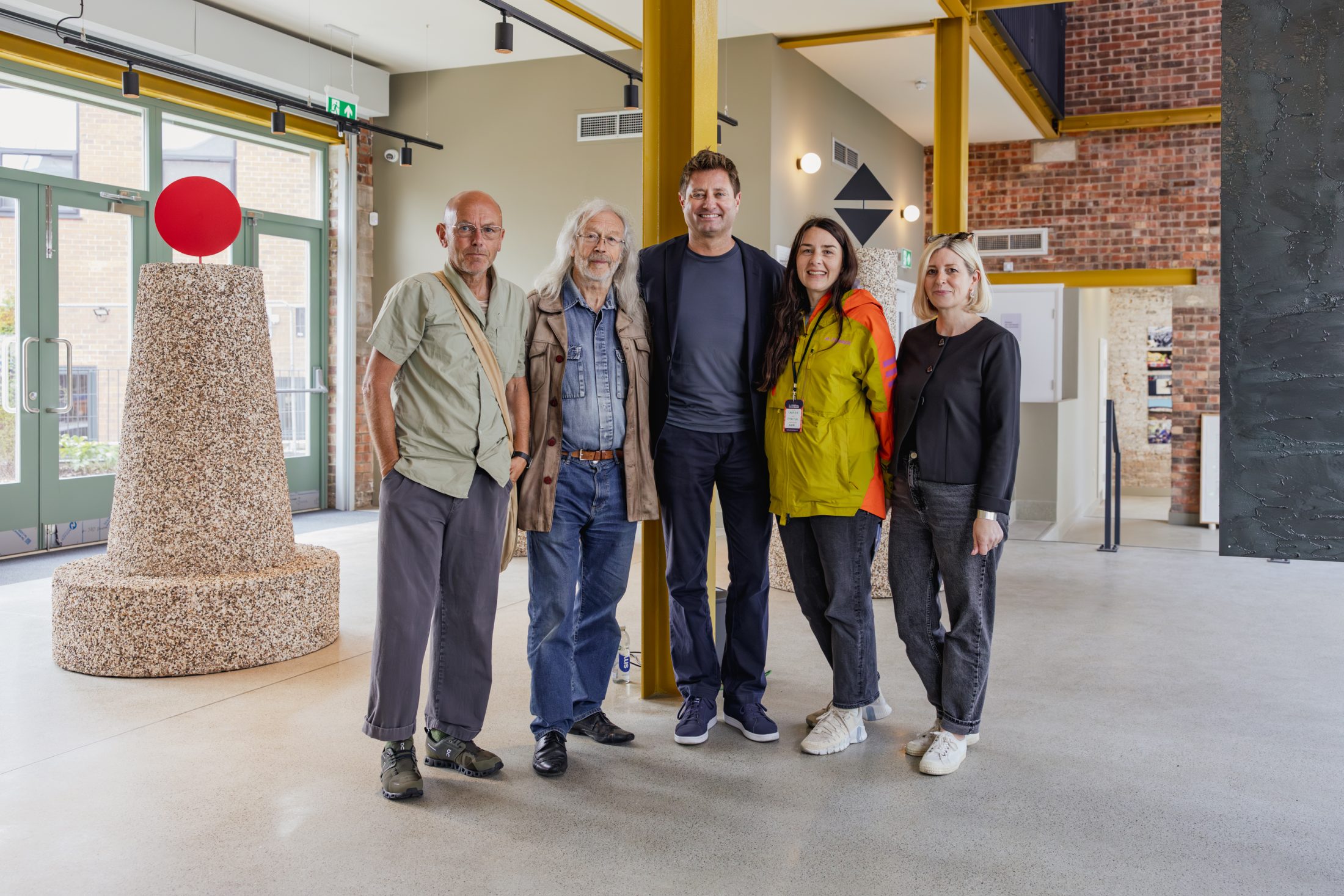
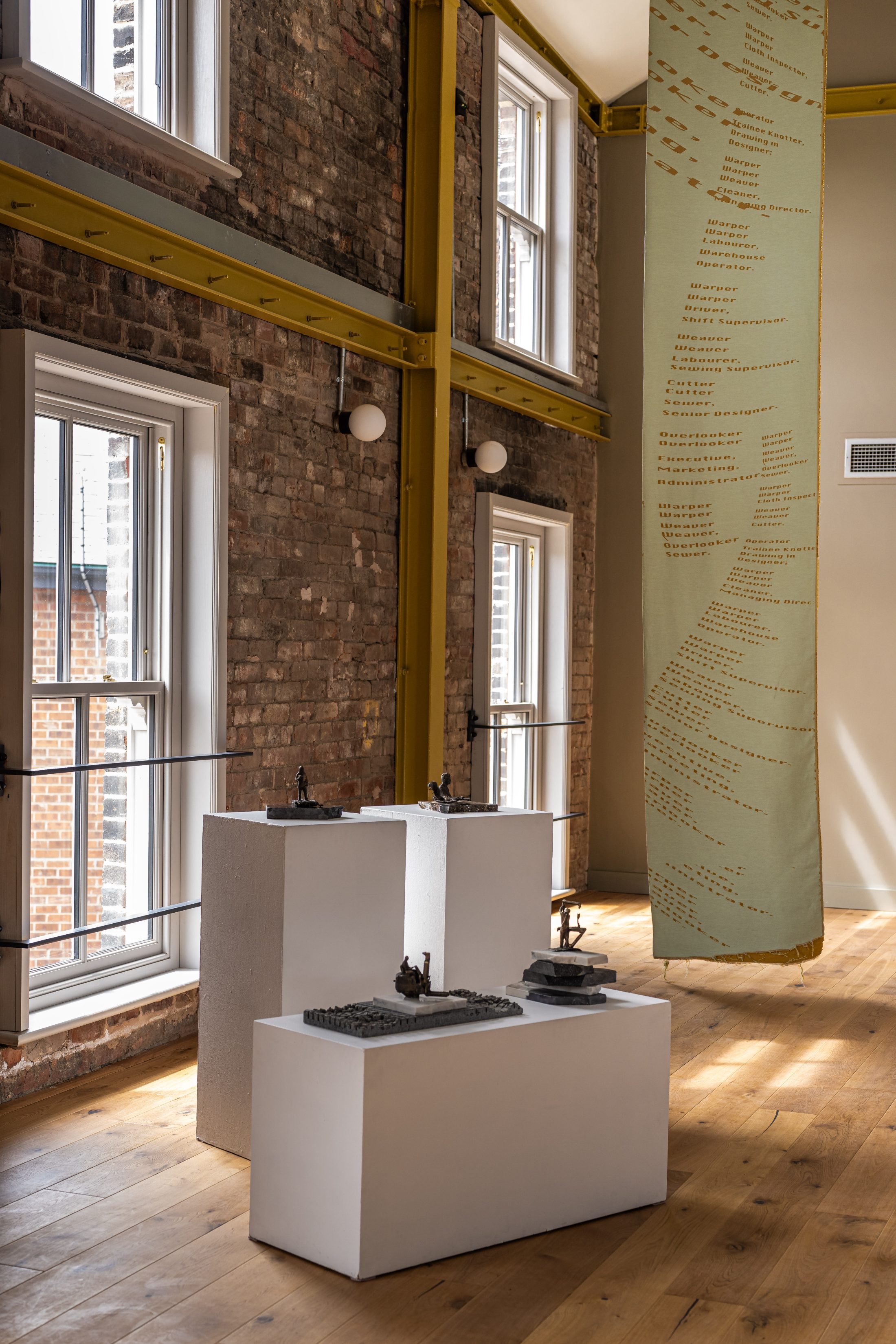
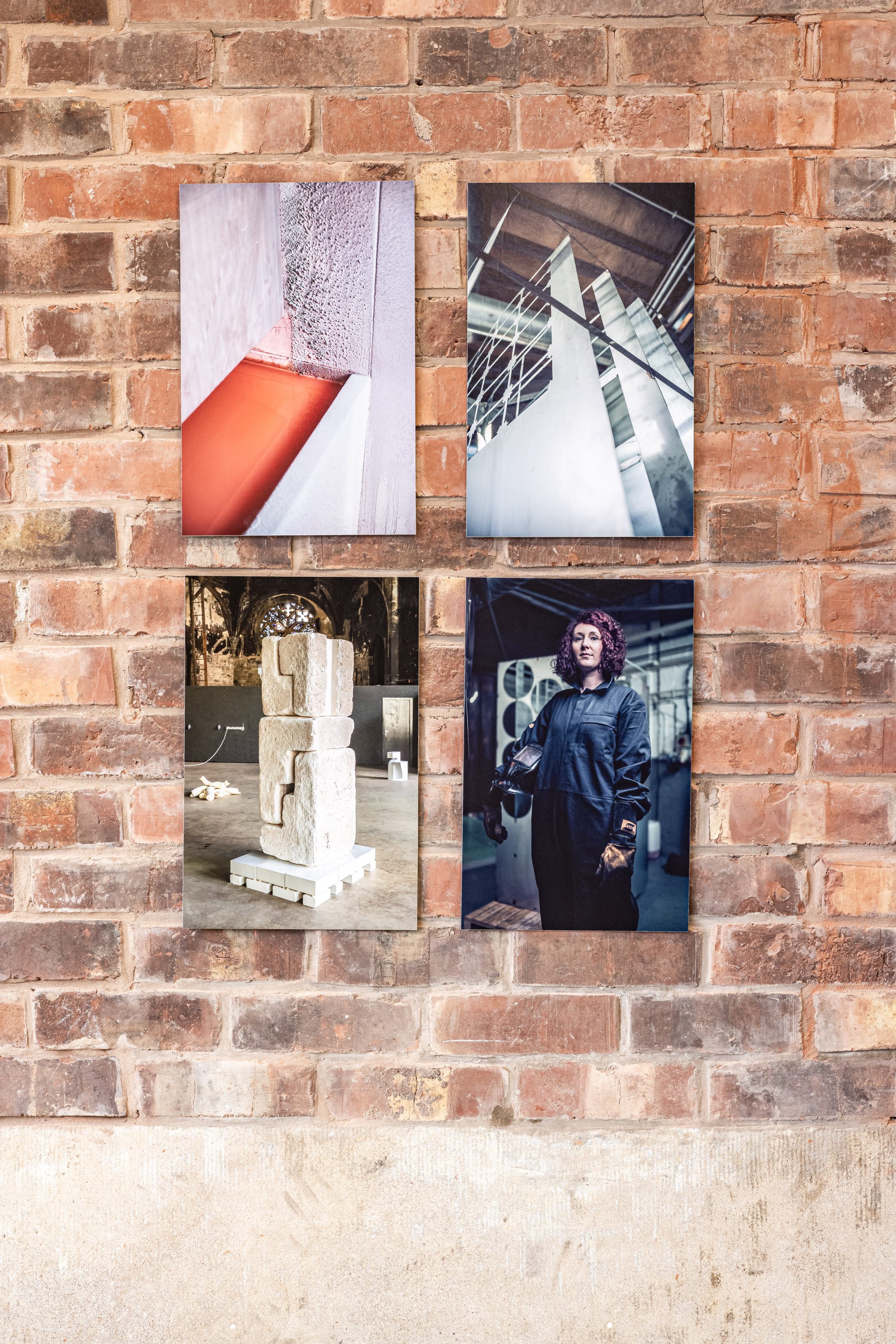
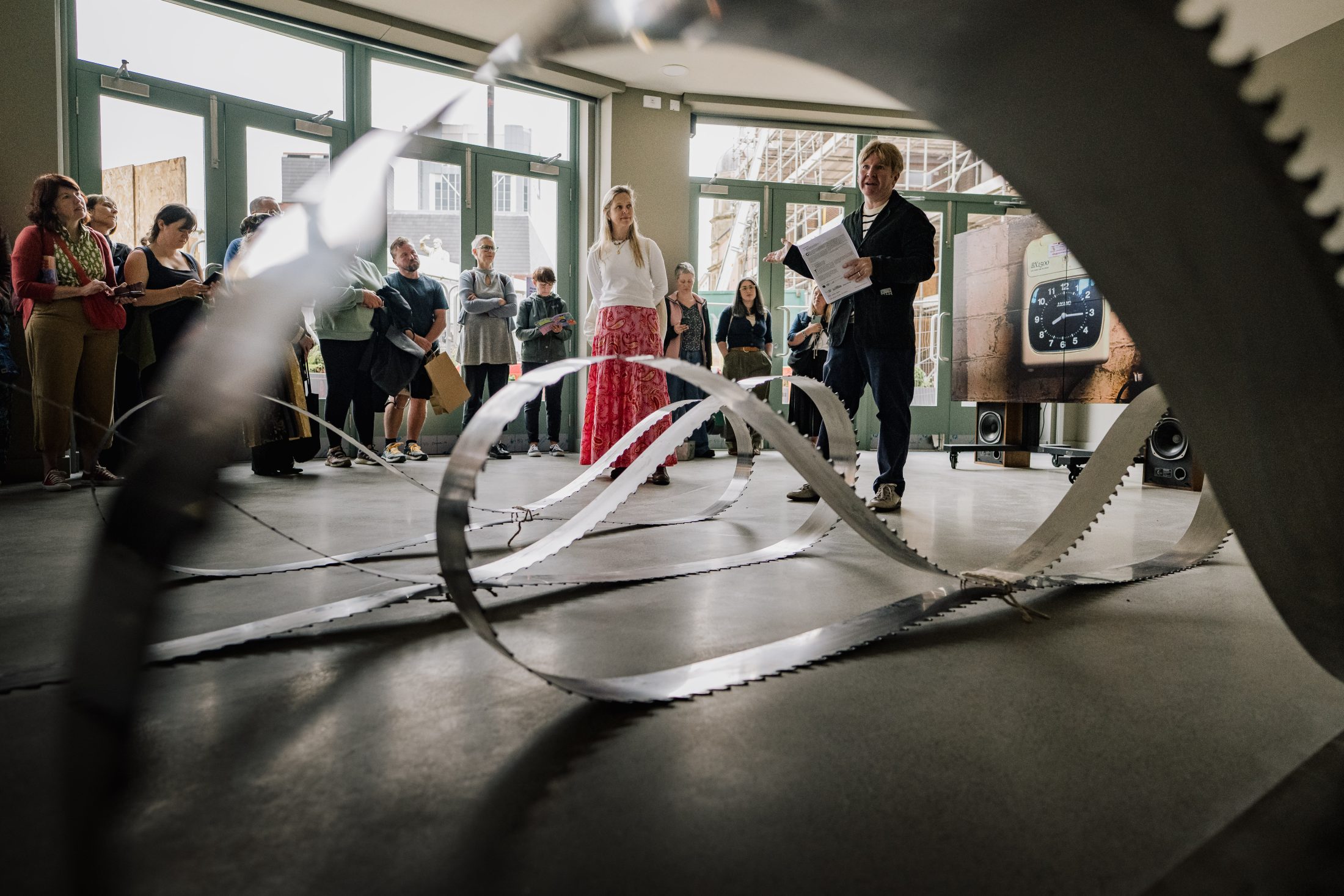
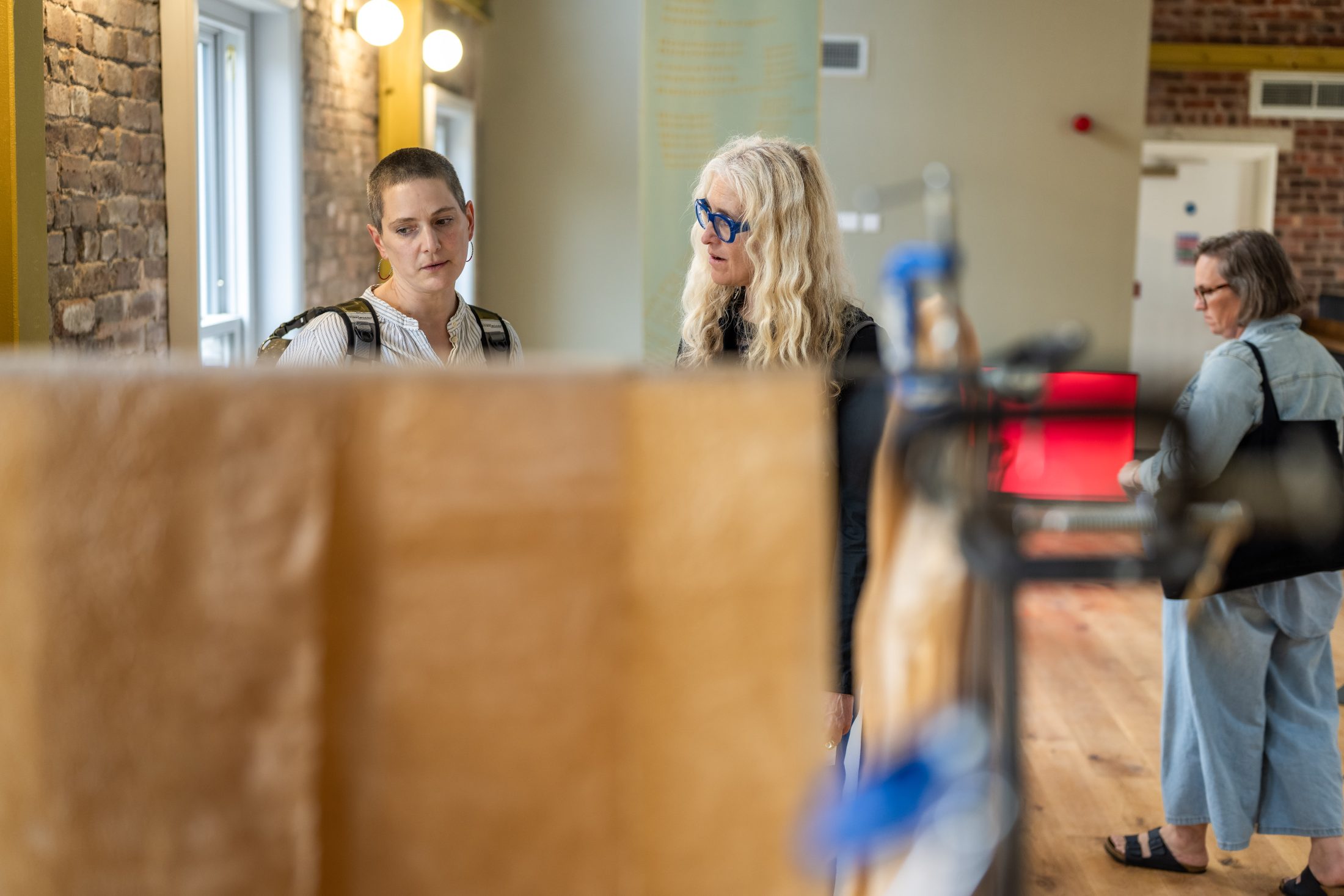
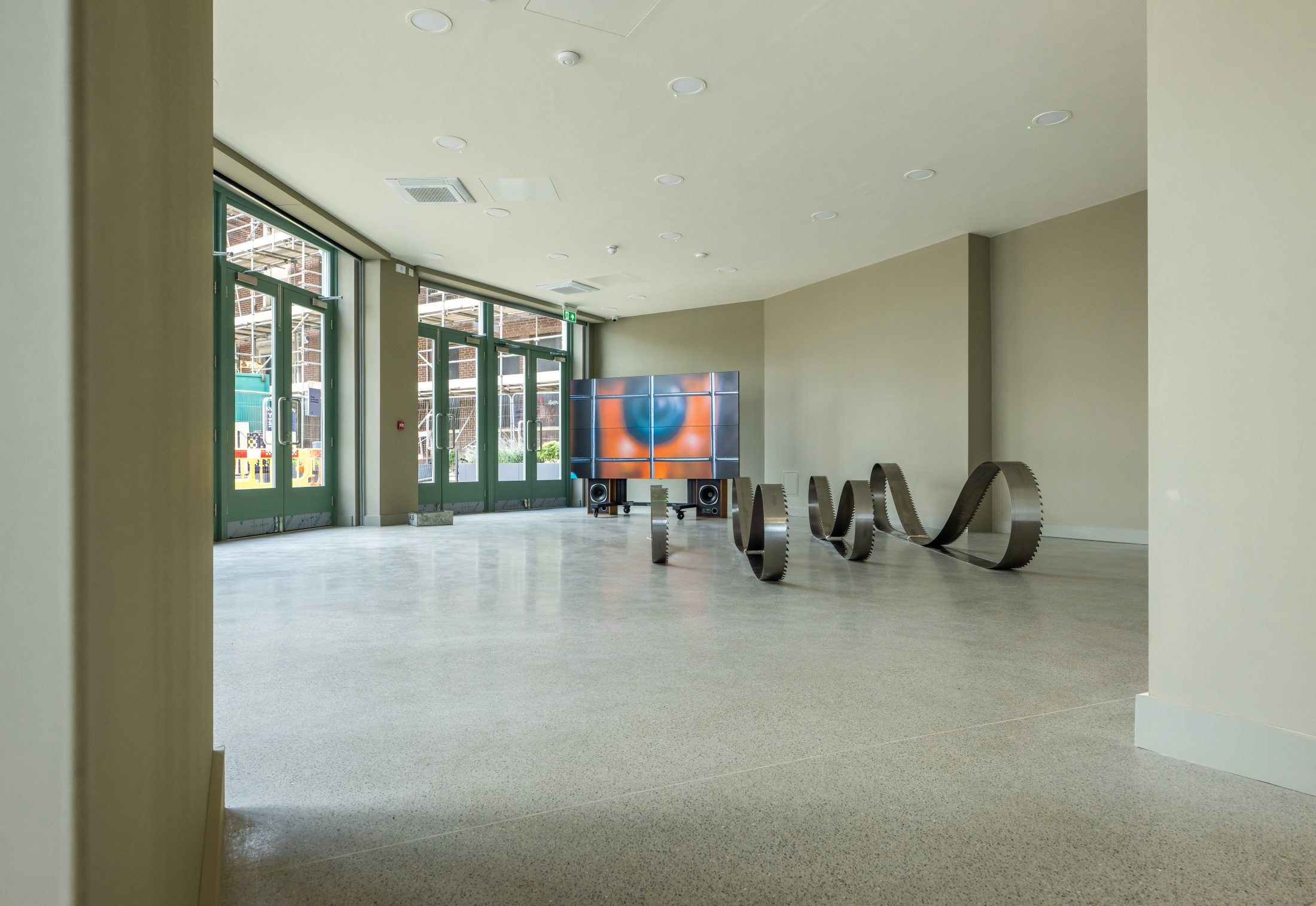
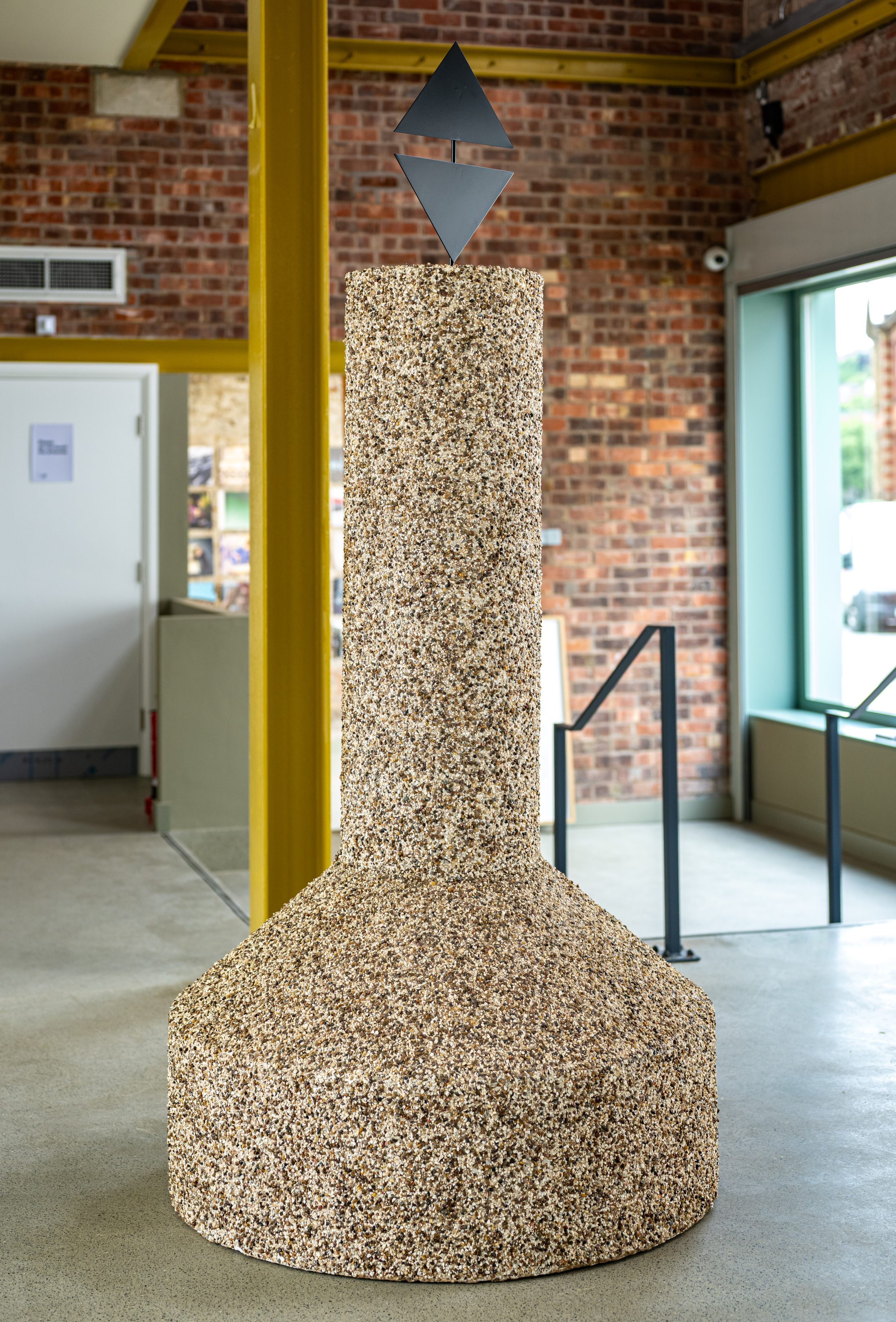
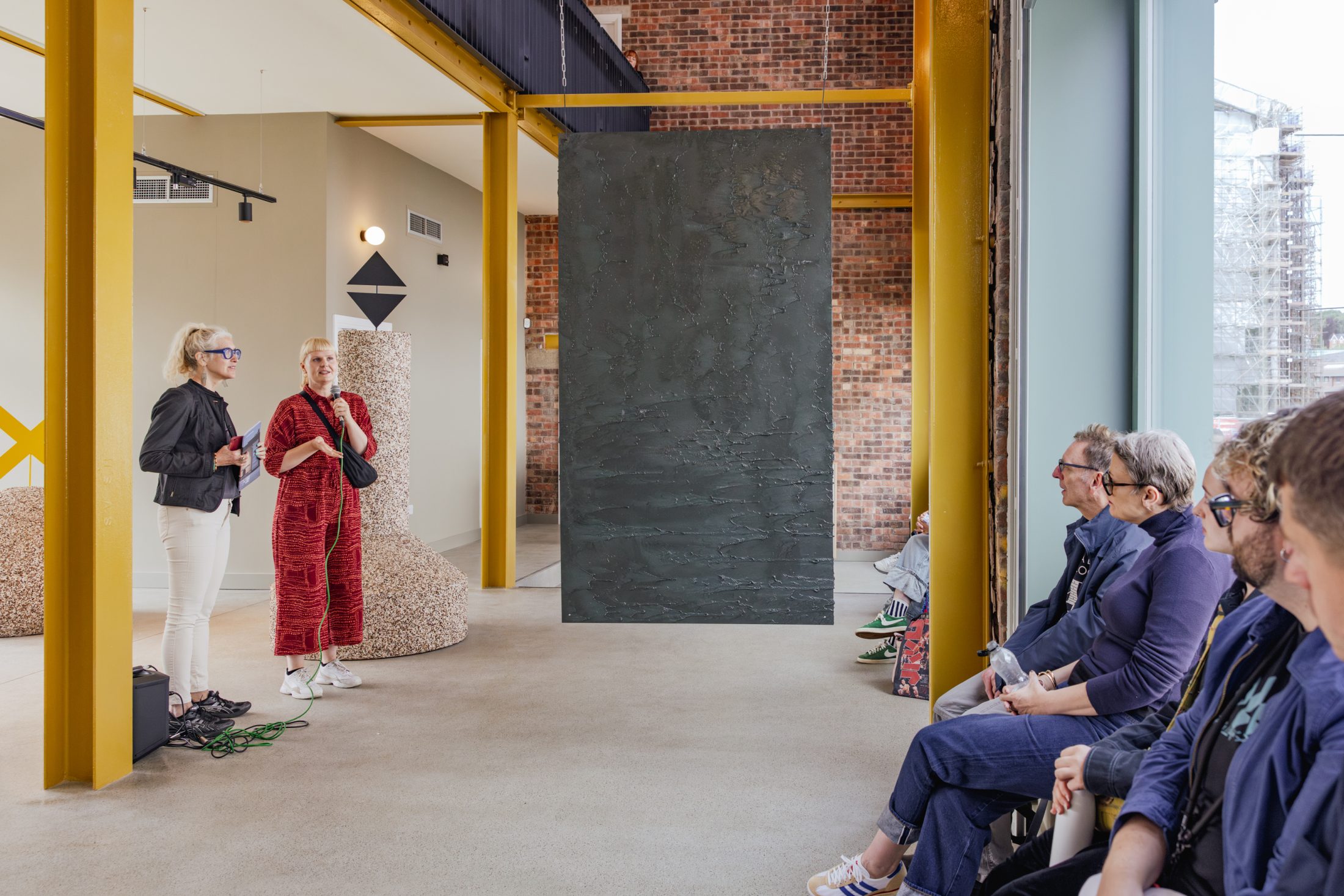
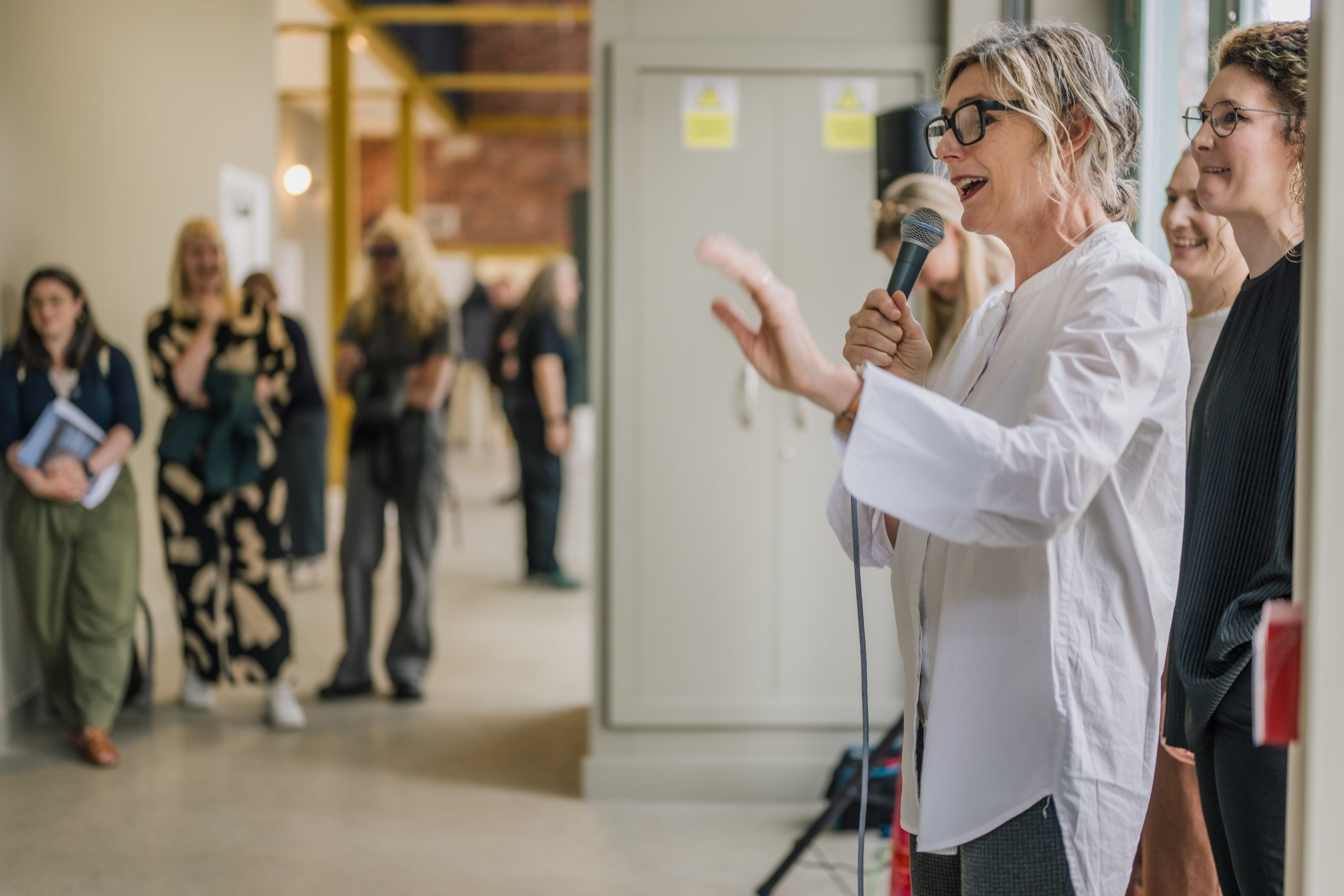
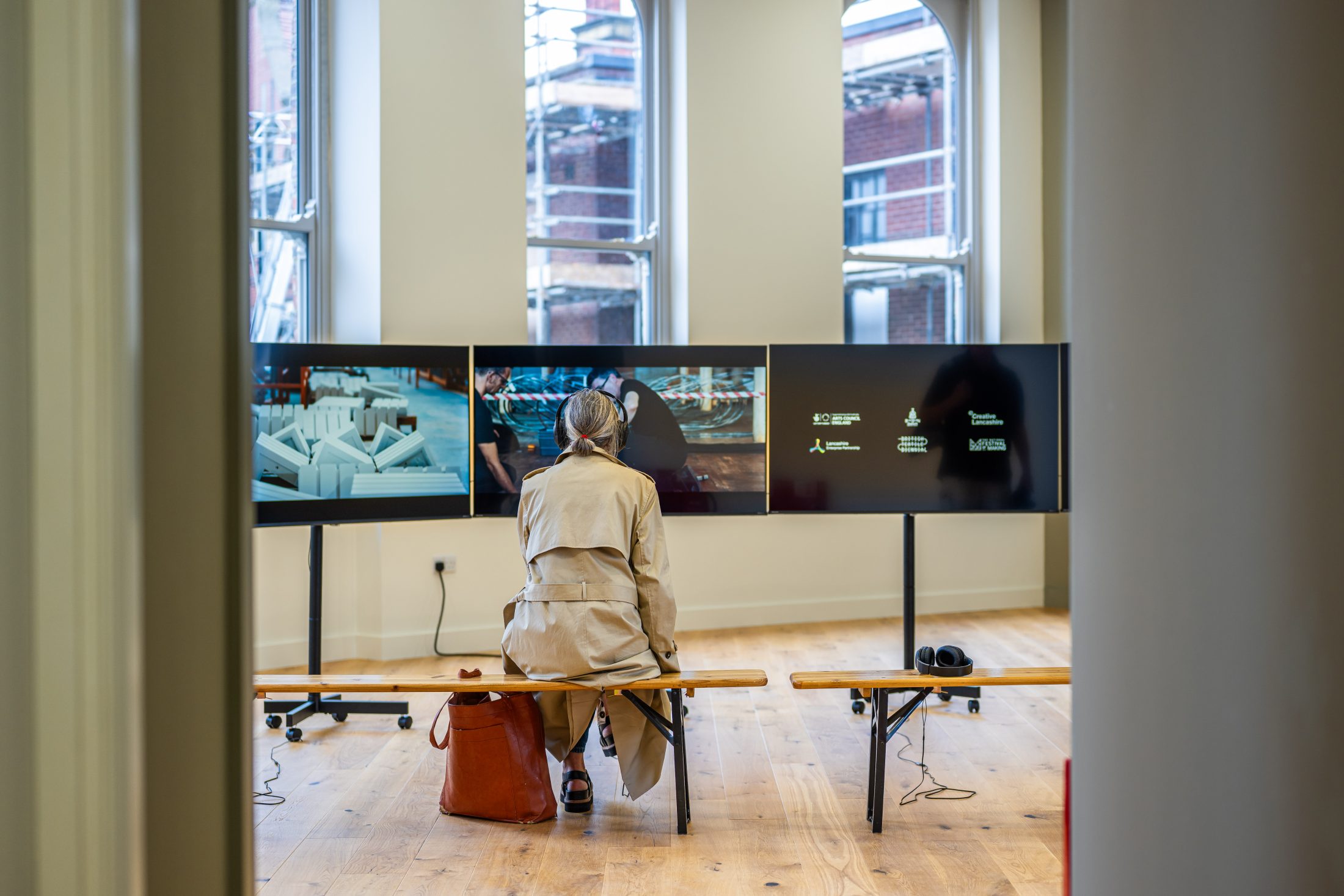
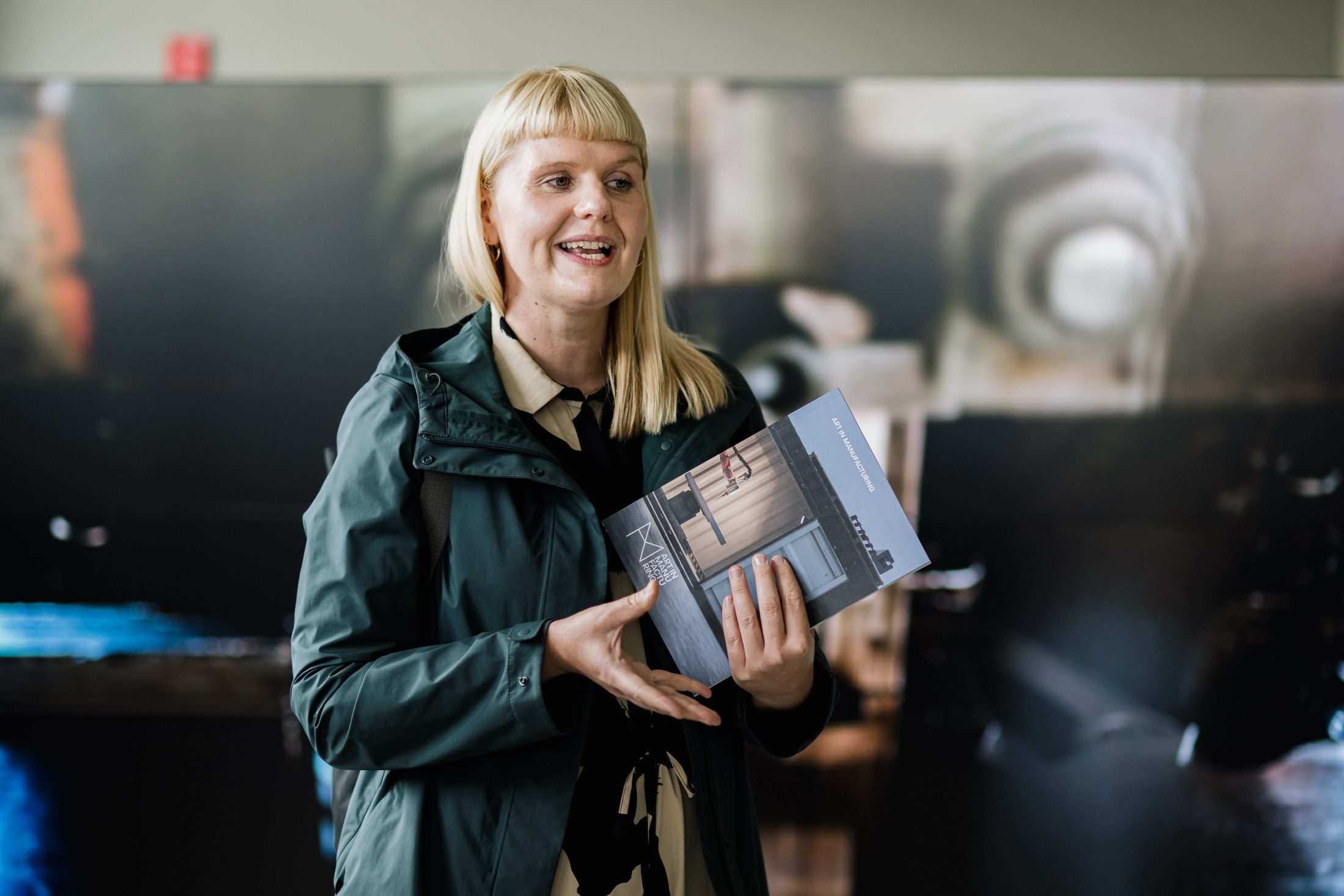
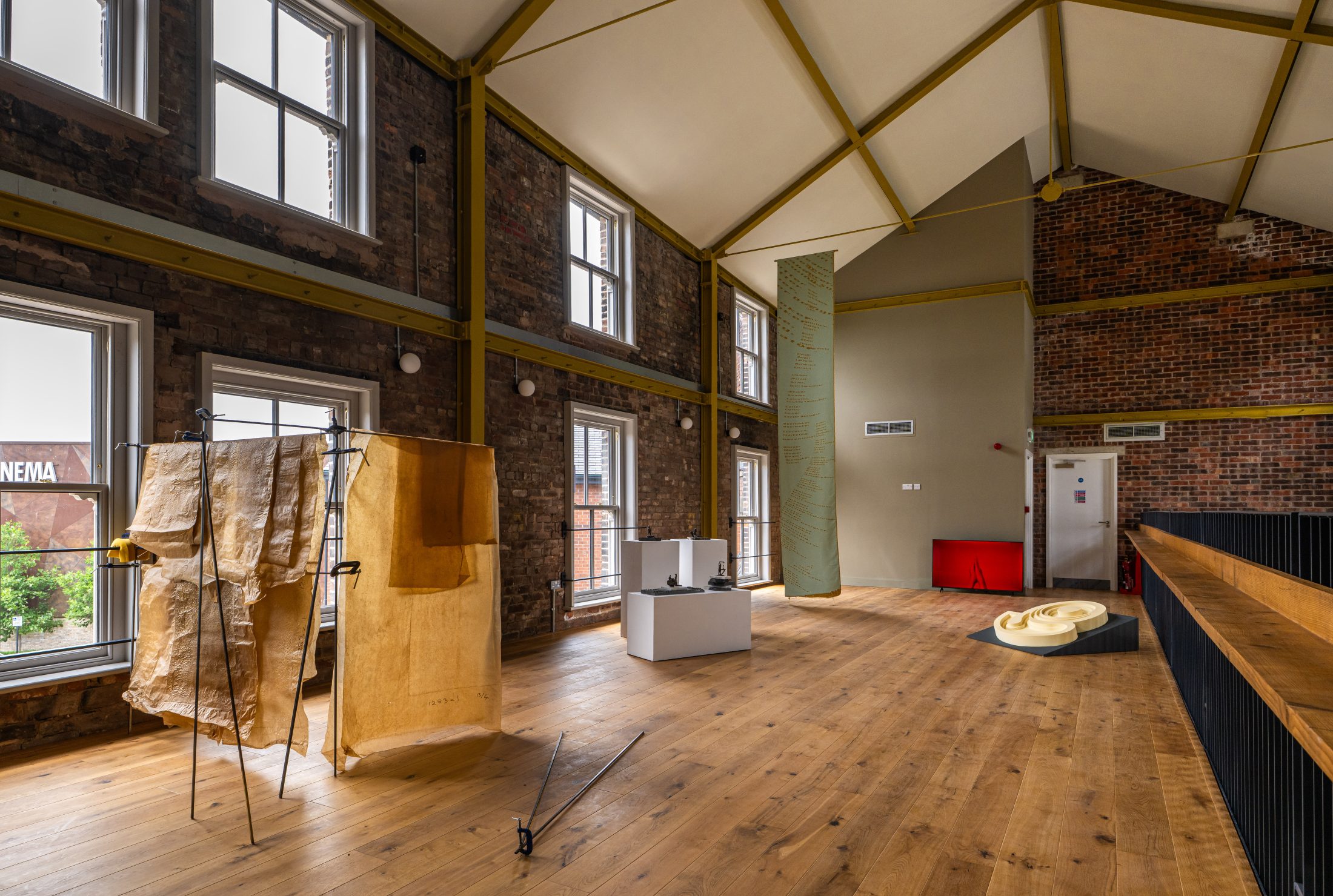
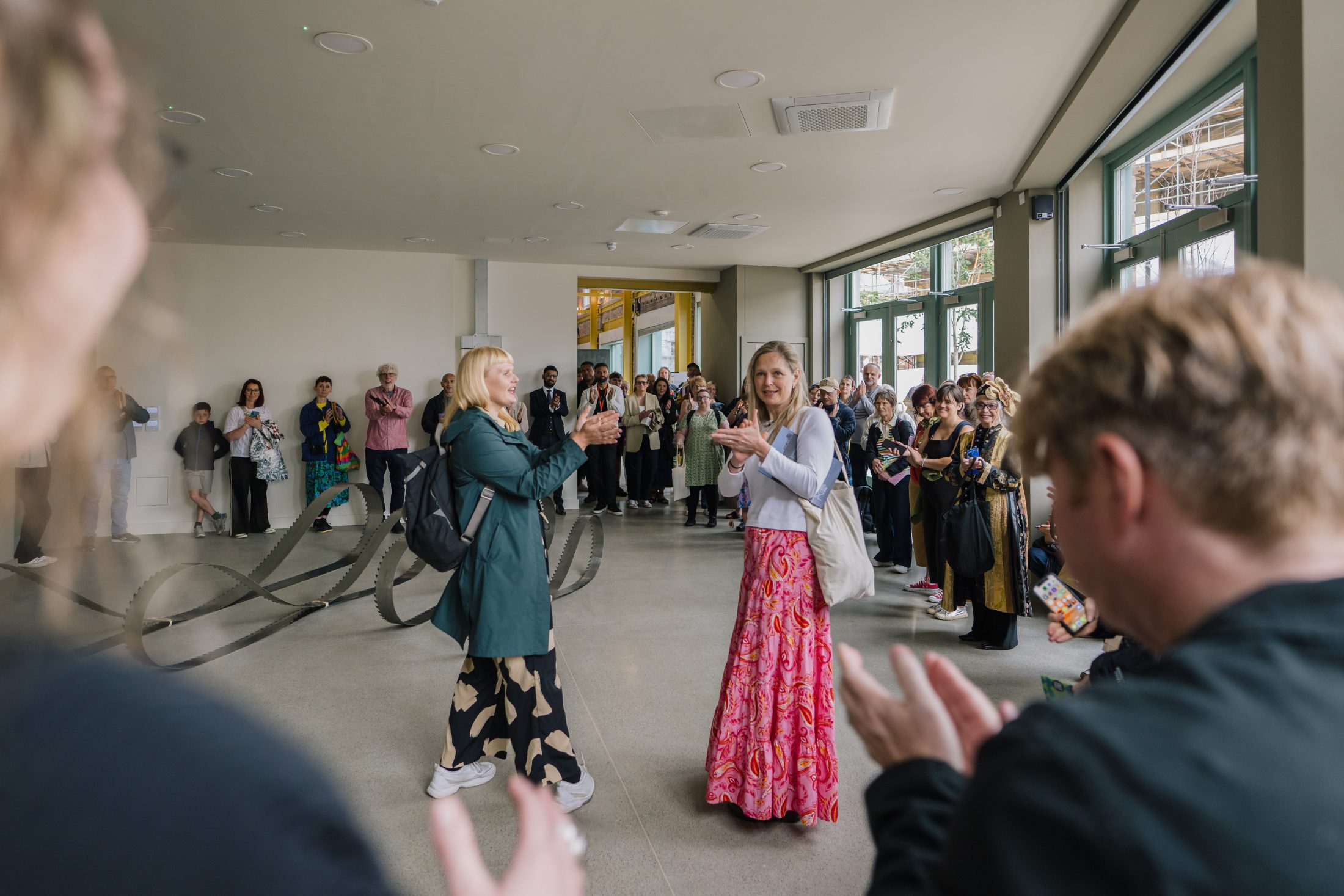
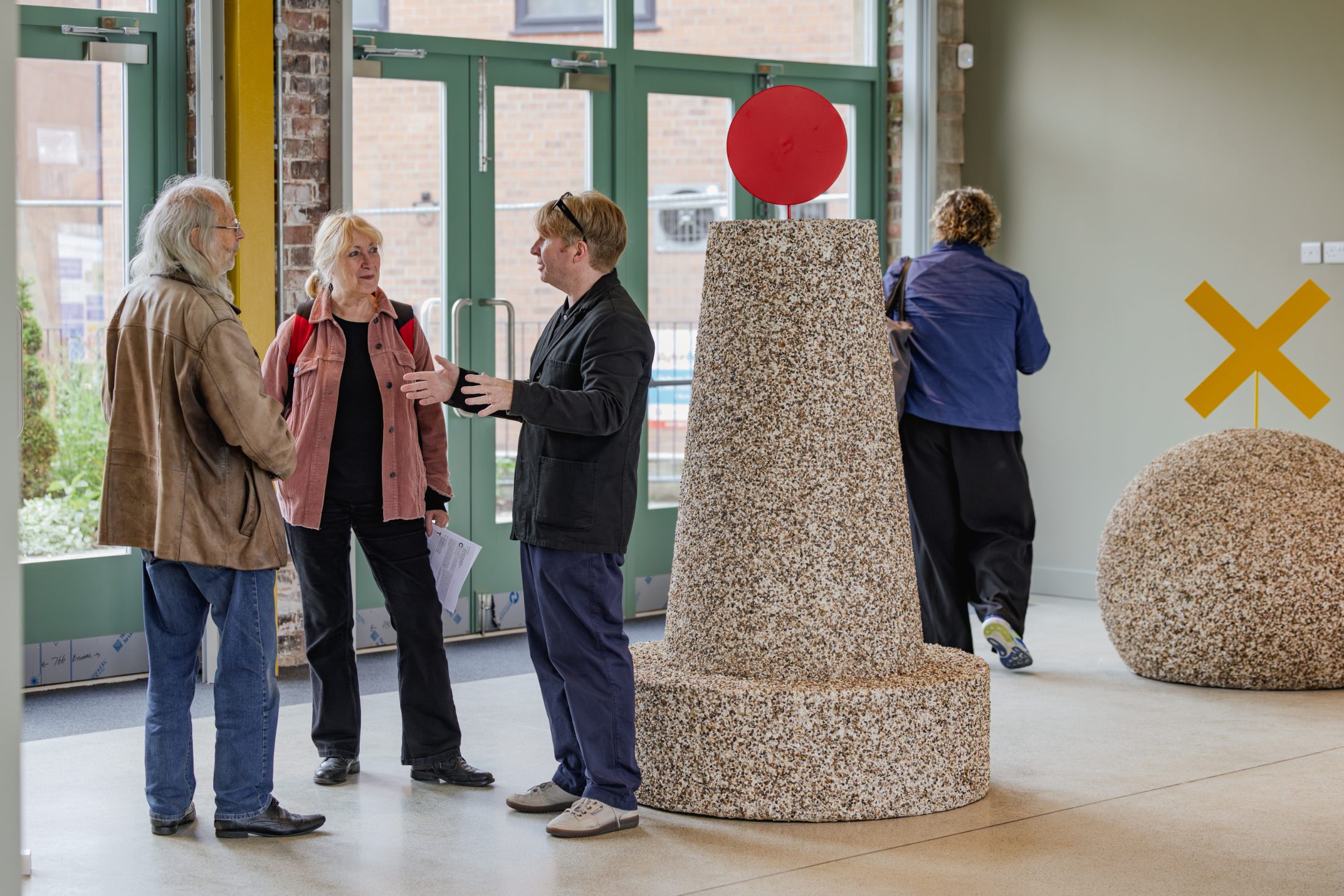
Radical Pairings was launched at the 2025 National Festival of Making, where a retrospective exhibition curated by artist, Liz Wilson celebrated the work of the artists, inviting new visitors to experience their work in a gallery environment.
A digital version of the Radical Pairings publication is available to download for free on this page.

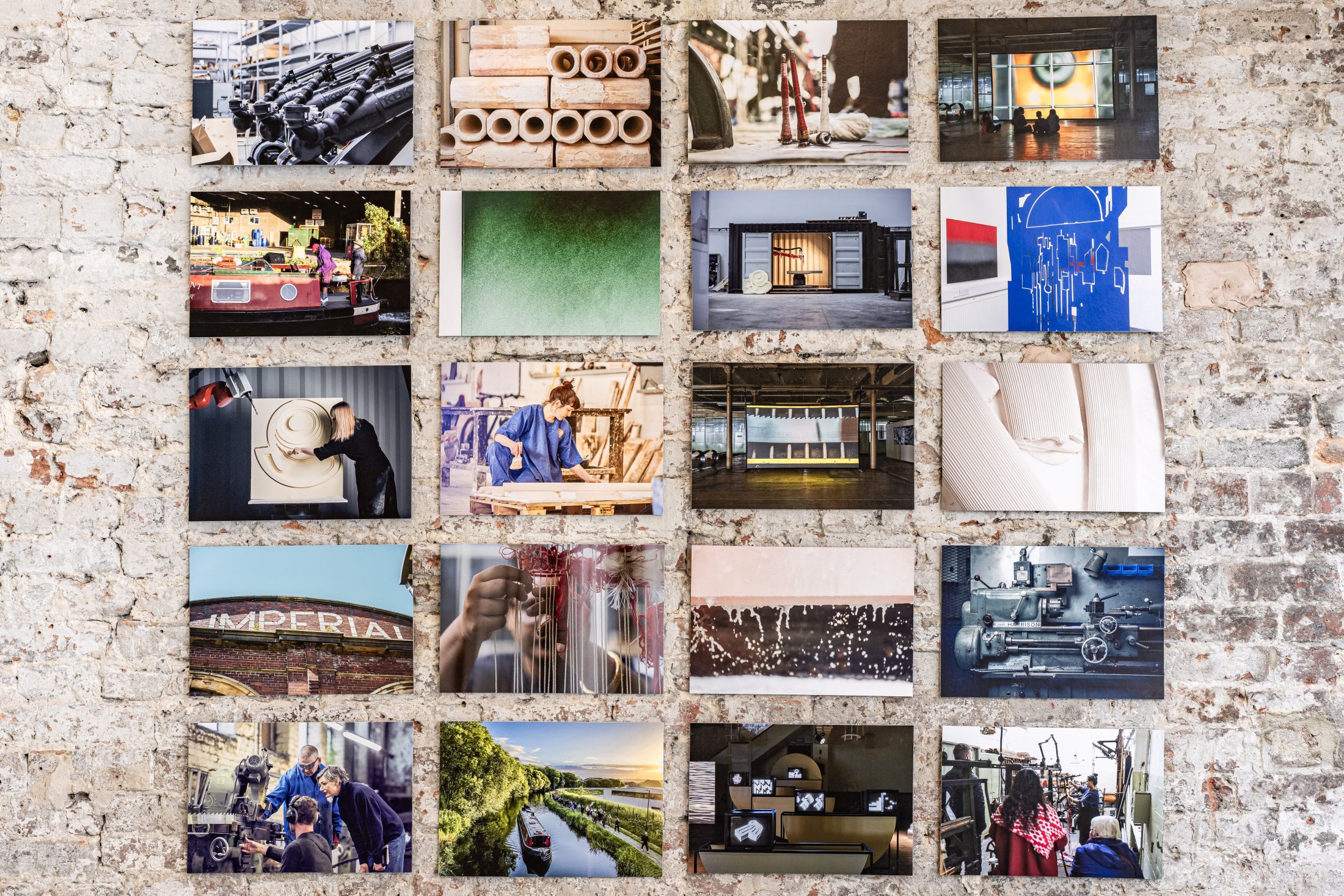
From short-term residencies to long-term collaborations, each artist embedded themselves within a manufacturing environment, working closely with skilled labour forces, specialist materials and industrial processes. These residencies offered an unusual but generative context with the factory floor becoming an extension of a studio, the rhythms of production informing new ways of making and thinking.

Radical Pairings gestures not only to the innovative collaborations forged between artists and manufacturers, but also to the deeper reimagining made possible when these encounters are shaped by openness, experimentation and care. In doing so, it invites us to rethink the boundaries between industry and art as co-creative forces with the potential to shape new cultural, material, and social futures.

Publication

A digital version of Radical Pairings is available to download for free now. Centred around Elizabeth Fullerton’s essay, Artists and Factories Make Radical Pairings, the publication features interviews with each artist. Providing introduction, context and conversational insights to the publication are pieces by Director and Programme Curator, Elena Jackson, Director and Curator of theCOLAB Claire Mander and Artist Jamie Holman.

A print edition is available for purchase from theCOLAB.

The Artists

Radical Pairings showcases the work of five exceptional women artists:

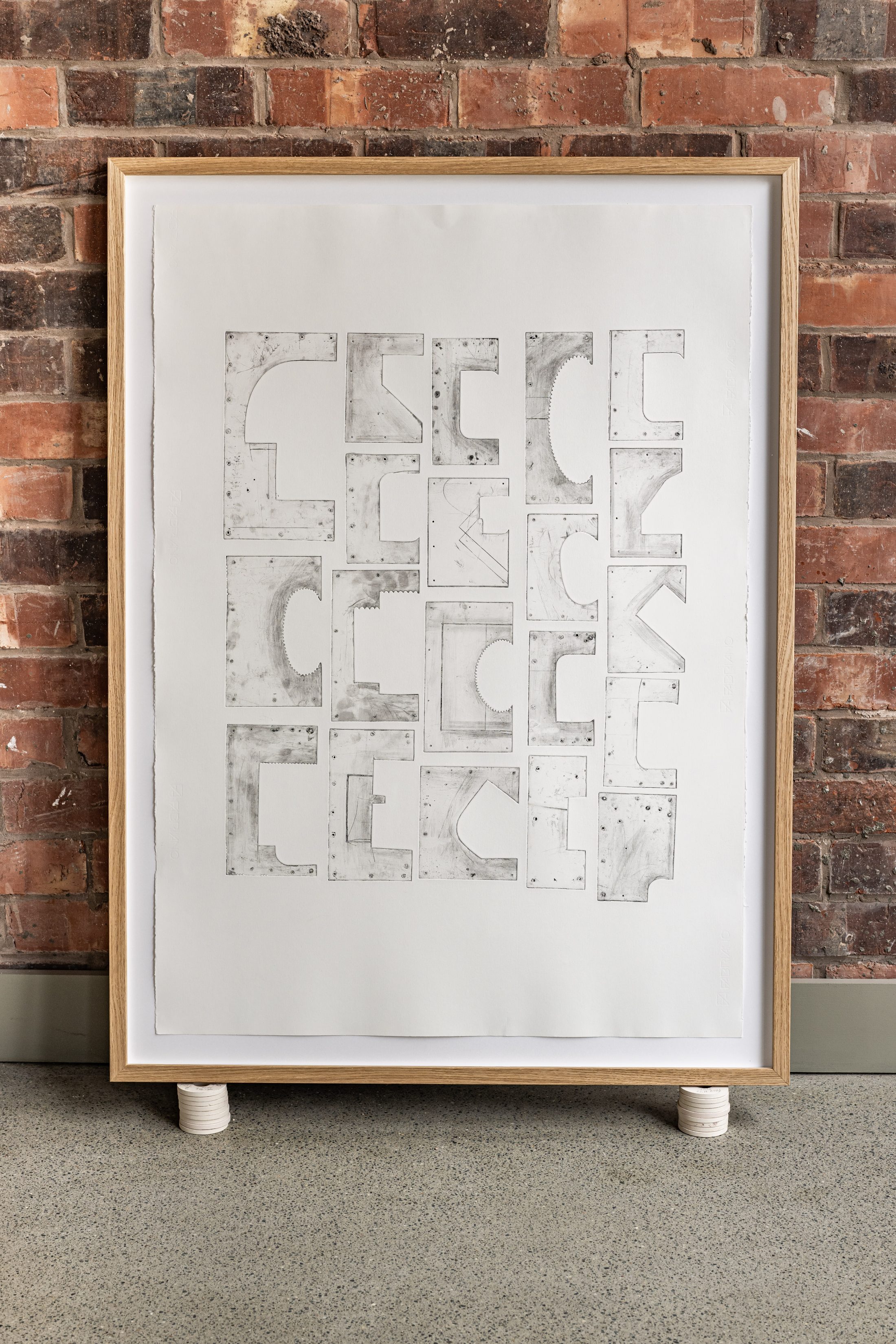
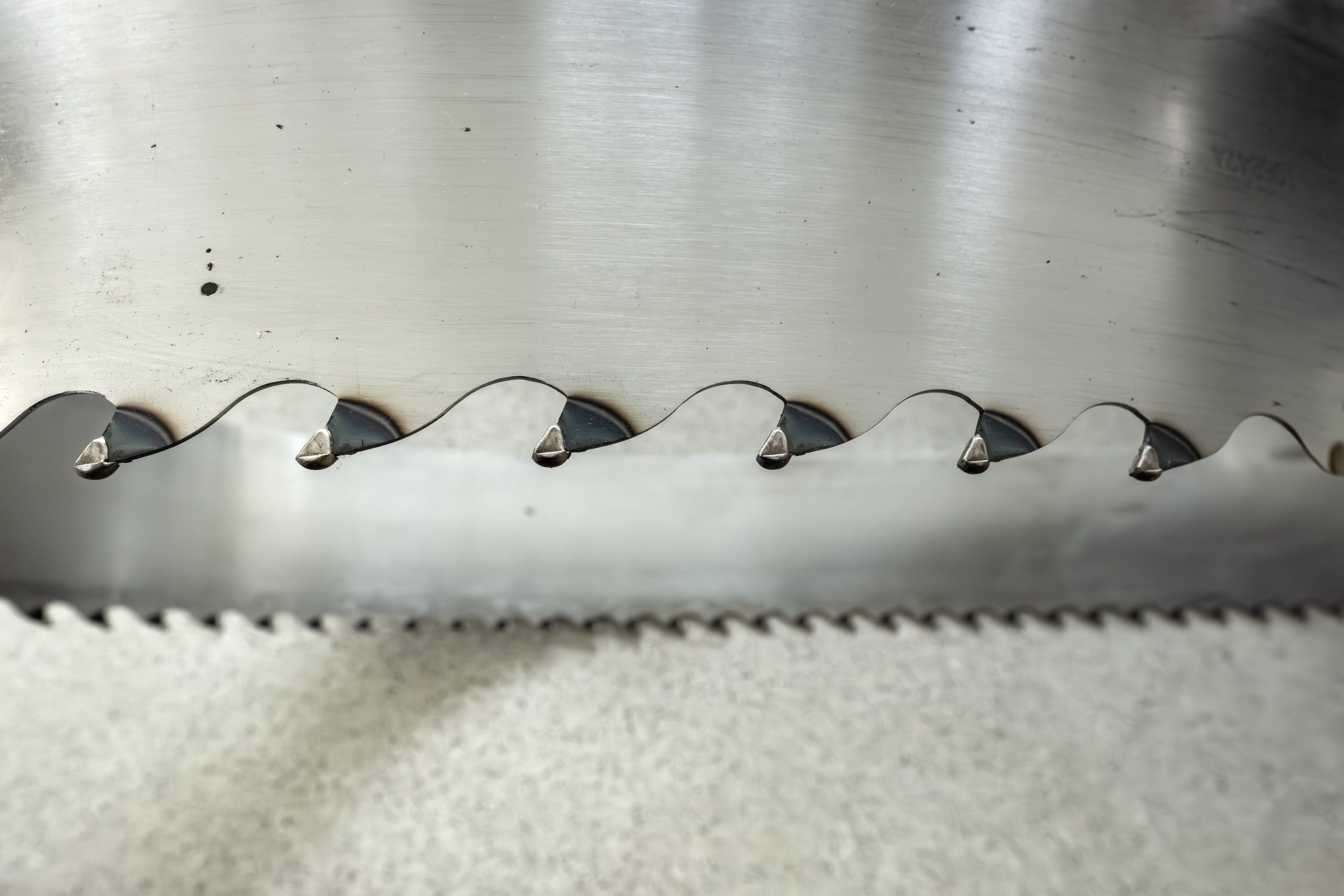
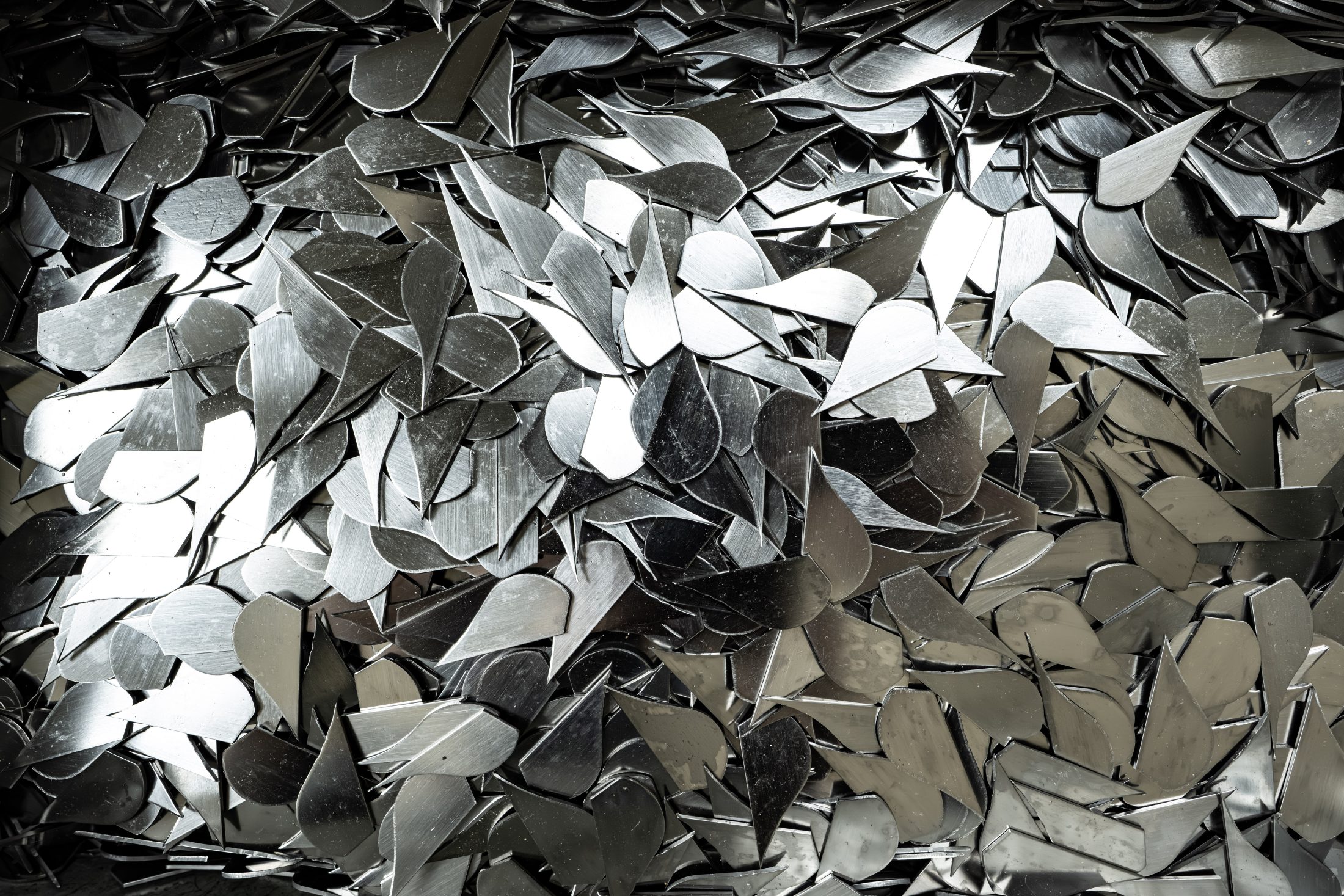
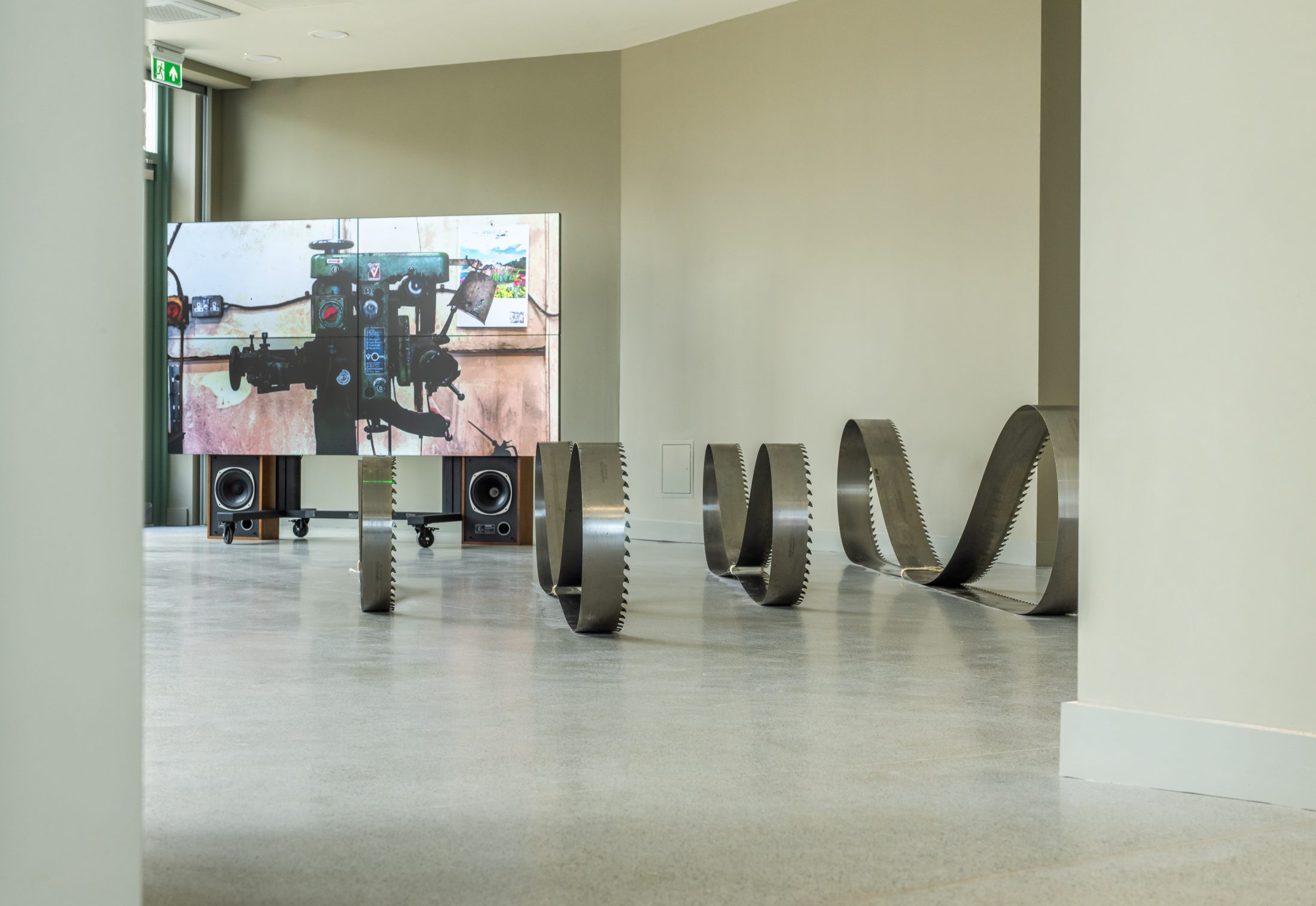
Jacqueline Donachie + Lancashire Saw Company
Nicola Ellis + Ritherdon
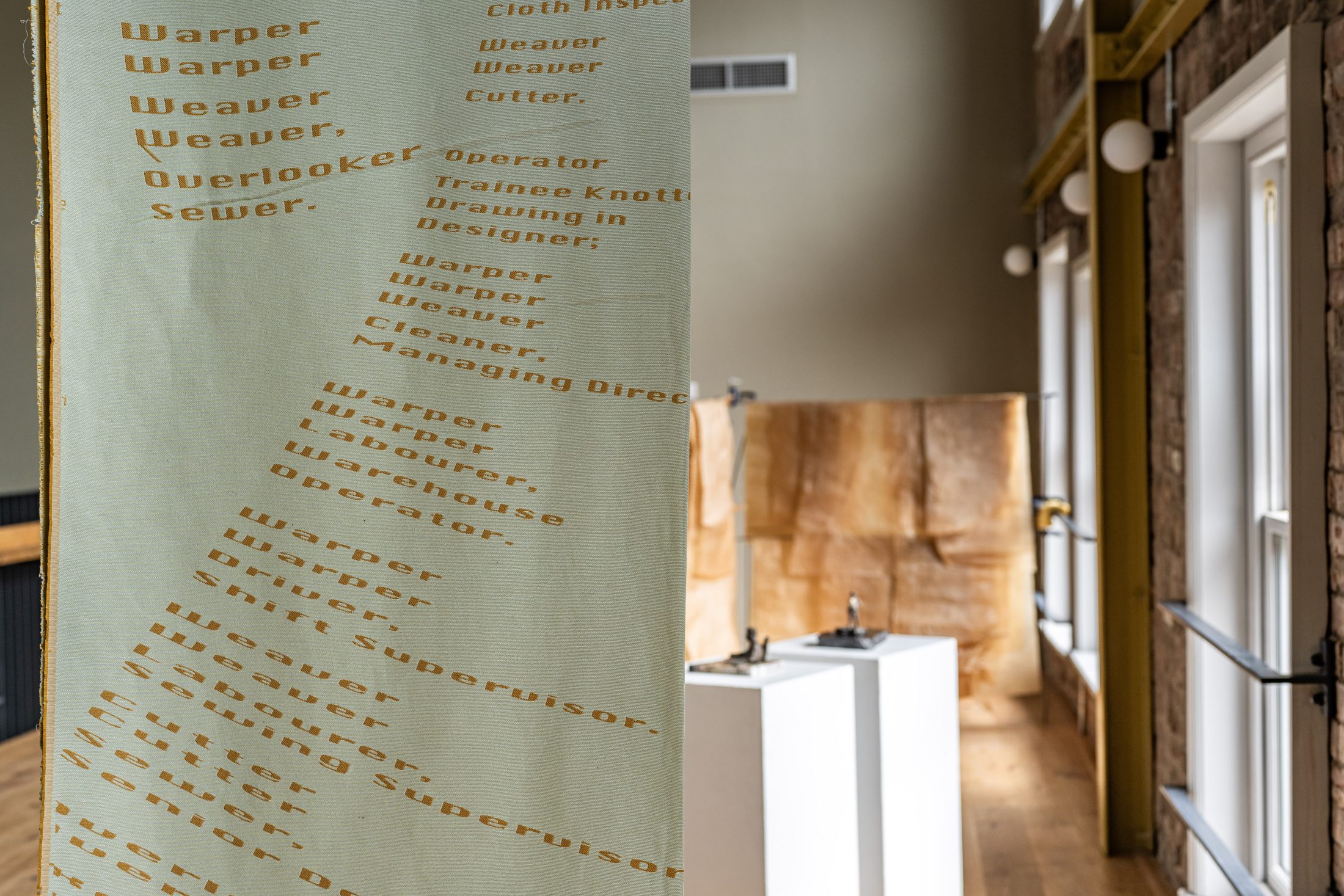
Raisa Kabir with John Spencer and Queen Street Mill
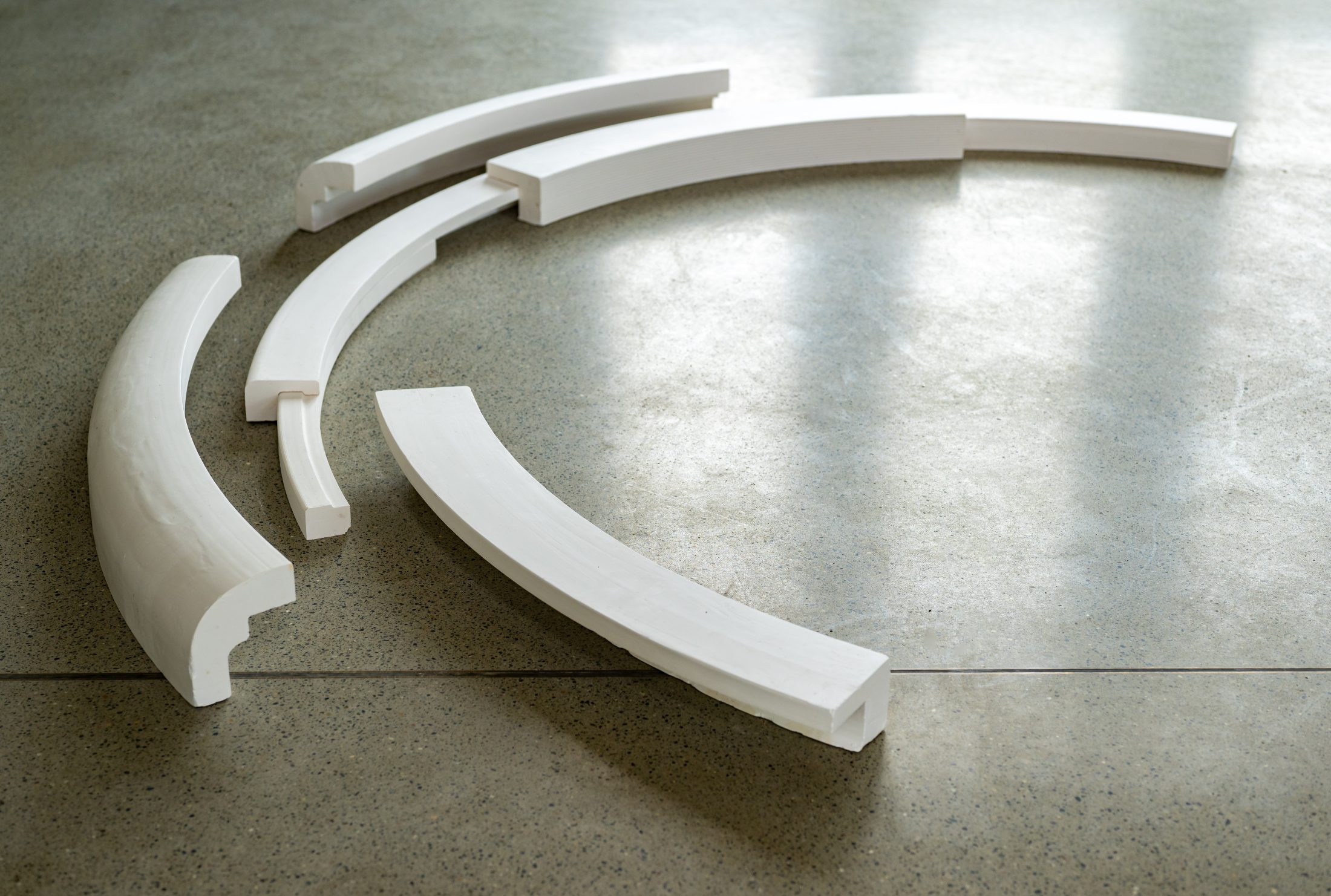
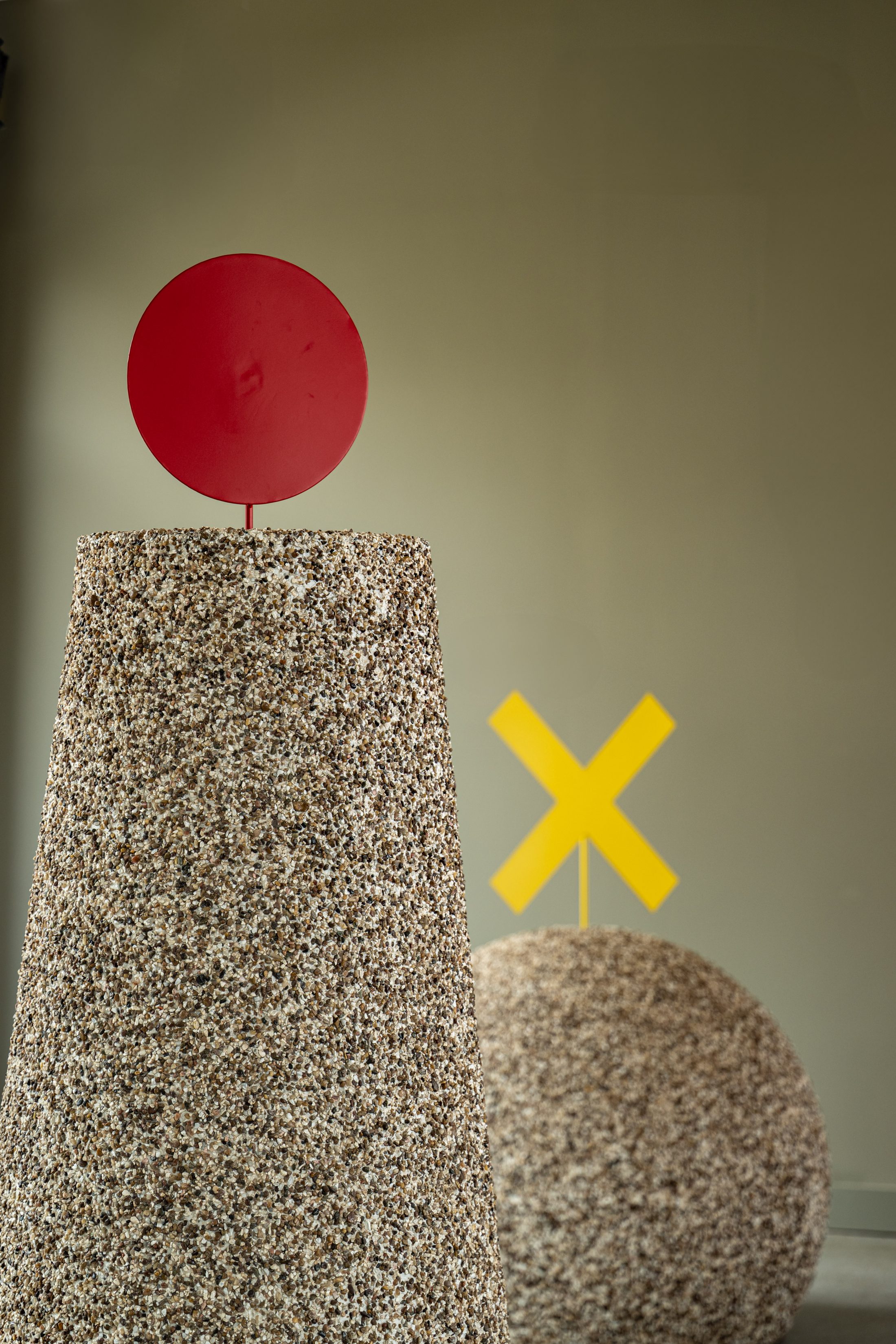
Hannah Leighton-Boyce + Darwen Terracotta
Liz Wilson + CNC Robotics

Discover the unique stories behind each Art in Manufacturing residency below.

Exhibition and Publication Credits

Claire Mander – Co-Editor
Daisy Williamson – Co-Editor, Publication Producer
Elena Jackson – Co-Editor, Programme Curator
Elizabeth Fullerton – Writer
Jamie Holman – Writer
Lauren Zawadzki – Festival Director
Liz Wilson – Exhibition Curator
Simon Webben – Co-Editor, Marketing
Source Creative – Exhibition Graphics
Teacake Design – Publication Design

I was struck by the sheer scope of visual and sonic possibilities offered by these environments… Such spaces are a gift to an artist; they can harness complex machinery to unleash their ambitions, drawing on the expertise of the workforce, without which their creations could not materialise.

Elizabeth Fullerton

One of the biggest eye opening moments for me was when I was making connections between 19th Century textile mills and the history of Bangladesh and East India. I’ve spent my career trying to make those connections with the peoples whose history that relates to, underpinning perhaps British Textile history, as a global textile history narrative.

Raisa Kabir, Artist