About the Organisations
Blackburn BID is working in partnership with Lancashire Wildlife Trust to deliver the Growing Places project as part of Blackburn BID’s priority theme to make our town centre cleaner, greener and more sustainable.
In 2026 the Growing Places community gardening activities are focussed on biodiversity and raising awareness of the peatland restoration project on the nearby Darwen Moor. These include building a mini-bog garden at Blackburn Train Station and involving local schools, community groups and businesses in creating public artwork and planting projects.
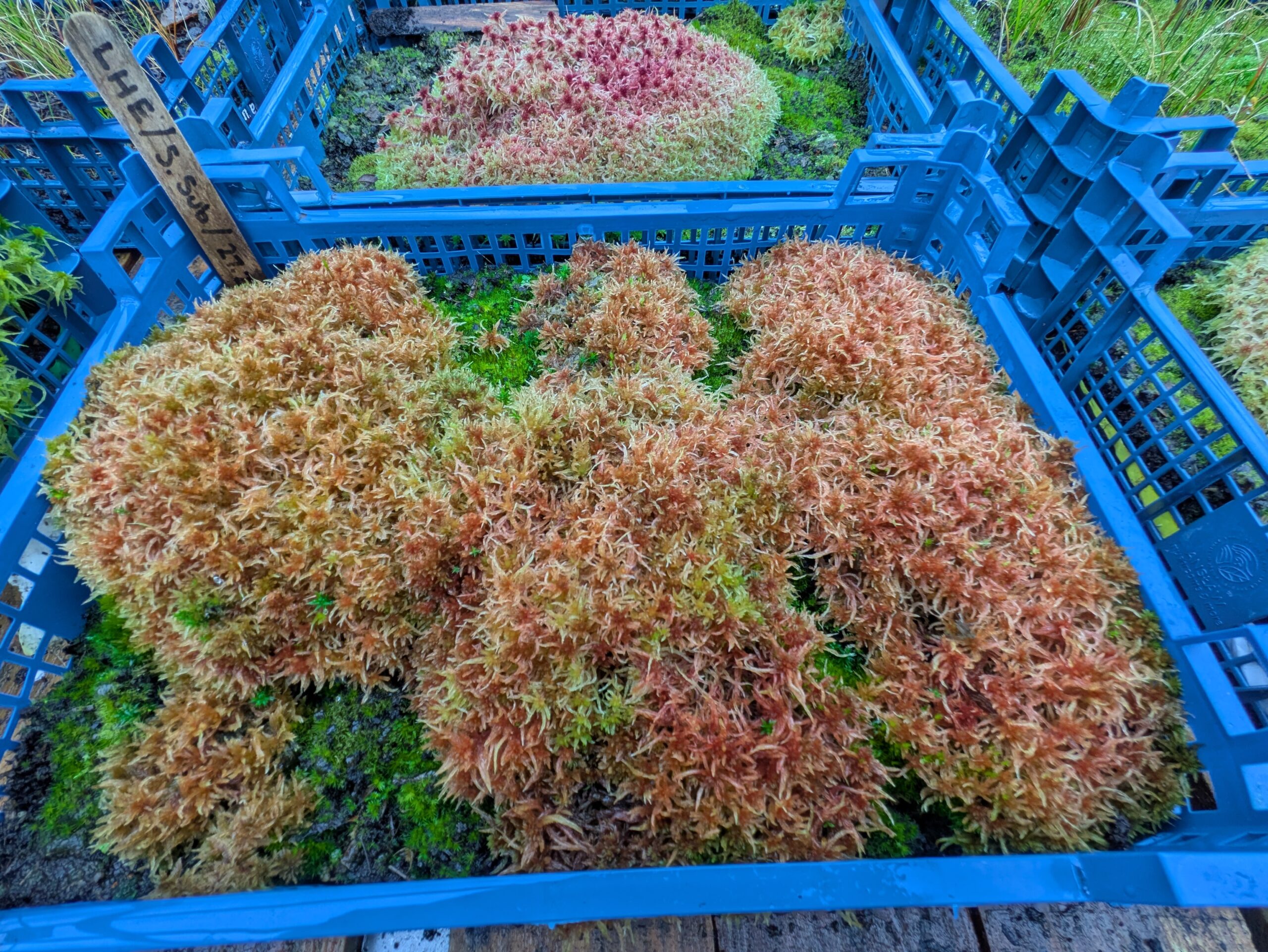
At the National Festival of Making, the Lancashire Wildlife Trust (LWT) is working with Lancashire Peatlands Partnership (LPP) to encourage festival goers to get involved in Nature Recovery by making their own mini bog gardens and learning more about the sphagnum moss growing project taking place at The Greenhouse Project in Witton Park.
Peatland programmes are a key element of LWT’s Nature Recovery work. This habitat has suffered 200 years of atmospheric pollution, drainage for agriculture, shooting or peat extraction. LPP, led by LWT, works to restore these habitats for biodiversity and climate positive action. Our ambition is to secure an estimated 99,001 tonnes of CO2e by 2050. By rewetting and vegetation best practice we are returning peatlands to healthy ecosystems.